

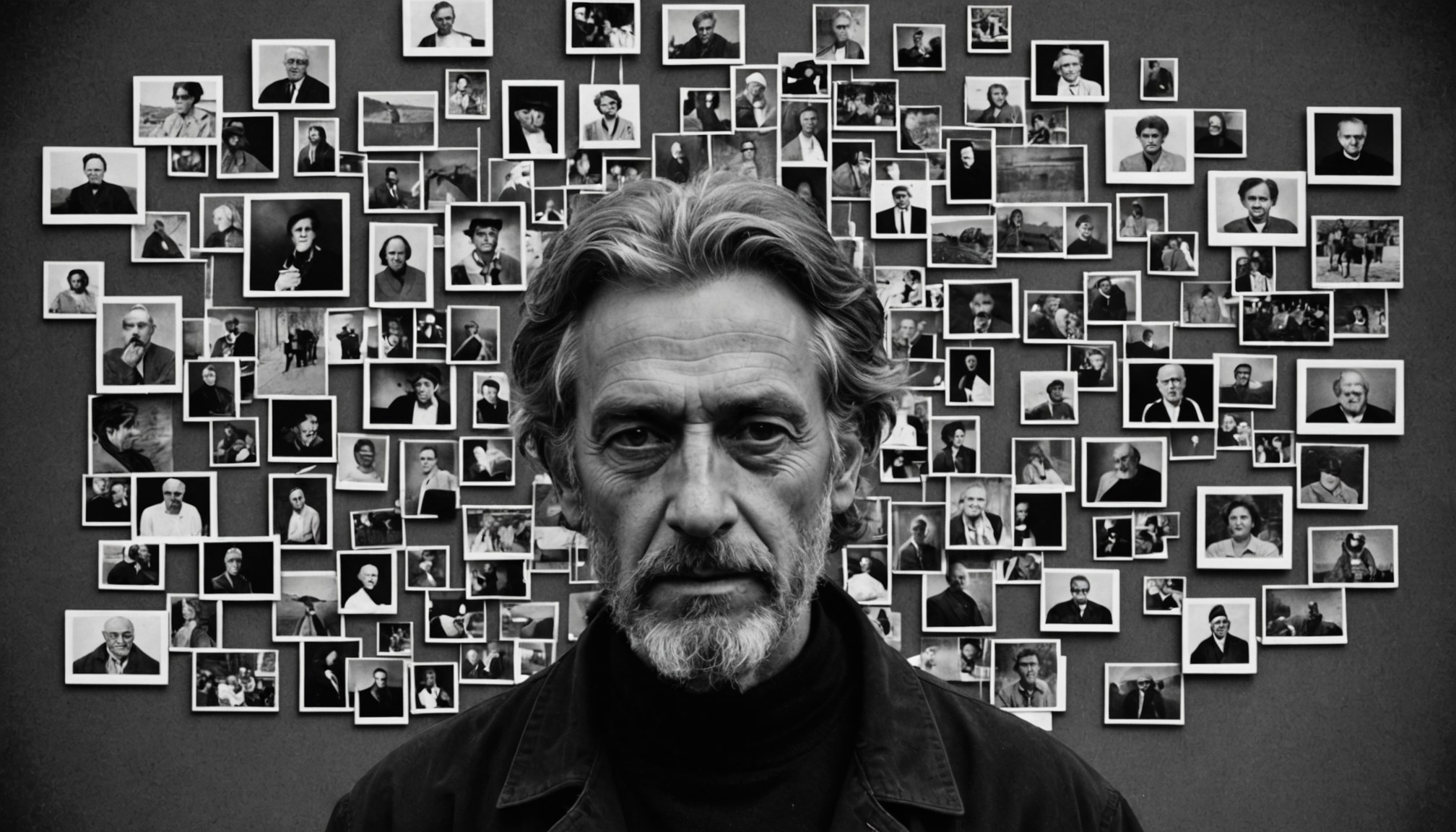
Memory and identity are two intertwined concepts that have captivated philosophers for centuries. At their core, they raise fundamental questions about who we are and how we come to understand ourselves. Memory is not merely a repository of past experiences; it is a dynamic process that shapes our perceptions, influences our decisions, and ultimately defines our sense of self. When we think about our identity, we often reflect on the memories that have formed us—those moments that have left an indelible mark on our lives. This relationship between memory and identity invites us to explore deeper philosophical inquiries: What does it mean to remember? How do our memories contribute to our understanding of who we are?
As we delve into this rich terrain, we find that memory is not just a personal affair; it is also a collective phenomenon. Our individual memories are often colored by the cultural narratives and historical contexts in which we exist. This interplay between personal and collective memory raises further questions about the nature of identity itself. Are we simply the sum of our memories, or is there something more profound at play? In this exploration, we will engage with various philosophical perspectives, examining how memory shapes our identities and how these identities, in turn, influence our understanding of memory.
In exploring the intricate relationship between memory and identity, one might find the insights presented in the article “Clever Ways to Get Your Podcast Heard” particularly relevant. While the article primarily focuses on strategies for enhancing podcast visibility, it subtly touches upon the importance of narrative and storytelling, which are crucial elements in shaping personal identity through memory. For a deeper understanding of how memory influences our sense of self, you can read the article here: Clever Ways to Get Your Podcast Heard.
The Role of Memory in Shaping Personal Identity
Memory plays a crucial role in shaping our personal identity by providing continuity over time. When we think about who we are, we often recount the stories of our lives—our childhood experiences, significant relationships, and pivotal moments that have defined us. These memories serve as the threads that weave together the fabric of our identity, allowing us to maintain a sense of self despite the inevitable changes that life brings. For instance, consider a person who has moved across different countries throughout their life. Their memories of each place—its sights, sounds, and people—contribute to a multifaceted identity that reflects both their past experiences and their evolving self-concept.
Moreover, memory is not static; it is an active process that can be influenced by emotions, context, and even the passage of time. As we revisit our memories, we may reinterpret them based on our current circumstances or emotional state. This fluidity can lead to a transformation in how we perceive ourselves. For example, someone who once viewed a painful breakup as a failure may later come to see it as a necessary step toward personal growth. In this way, memory not only shapes our identity but also allows for its evolution, highlighting the complex interplay between past experiences and present self-understanding.
Philosophical Theories on Memory and Identity

Philosophers have long debated the relationship between memory and identity, leading to various theories that seek to explain this intricate connection. One prominent view comes from John Locke, who argued that personal identity is fundamentally tied to consciousness and memory. According to Locke, it is our ability to remember past experiences that grants us continuity as individuals. If we can recall an event from our past, we can claim that it is part of our identity. This perspective emphasizes the importance of memory in maintaining a coherent sense of self over time.
However, this theory has faced criticism, particularly regarding the reliability of memory. Memories can be distorted or forgotten, leading some philosophers to question whether they can truly serve as the foundation for identity. David Hume offered a different perspective by suggesting that the self is not a fixed entity but rather a bundle of perceptions and experiences. In this view, identity is more fluid and contingent upon the ever-changing nature of our memories and experiences. Hume’s approach invites us to consider how our identities might shift as we encounter new information or undergo transformative experiences.
The Influence of Cultural and Collective Memory on Identity

While personal memory plays a significant role in shaping individual identity, cultural and collective memory also exert a powerful influence. Collective memory refers to the shared pool of knowledge and experiences that shape a community’s identity. This can include historical events, cultural narratives, and social practices that are passed down through generations. For instance, national holidays often evoke collective memories that foster a sense of belonging among citizens. These shared memories create a framework through which individuals understand their place within a larger narrative.
Cultural memory can also impact personal identity in profound ways. Consider how someone from a particular cultural background may draw upon shared traditions or historical experiences when defining themselves. A person of immigrant descent might feel a strong connection to their family’s history and the struggles they faced in adapting to a new country. This connection can shape their values, beliefs, and sense of purpose in life. In this way, cultural memory enriches personal identity by providing context and meaning beyond individual experiences.
In exploring the intricate relationship between memory and identity, one might find it enlightening to read a related article that delves into the philosophical implications of how our memories shape who we are. The discussion often centers around the idea that our personal identity is closely tied to our recollections and experiences. For a deeper understanding of this topic, you can check out this insightful piece on the subject of memory and identity in philosophy by following this link.
Memory and Identity in Existentialist Philosophy
| Concept | Definition |
|---|---|
| Memory | The faculty by which the mind stores and remembers information |
| Identity | The distinguishing character or personality of an individual |
| Personal Identity | The unique characteristics and traits that define an individual |
| Memory Theory | Philosophical theories about the nature and function of memory |
| Identity Theory | Philosophical theories about the nature and concept of personal identity |
Existentialist philosophers have offered unique insights into the relationship between memory and identity, emphasizing the role of individual experience in shaping one’s sense of self. Thinkers like Jean-Paul Sartre and Simone de Beauvoir argued that existence precedes essence; in other words, we are not born with a predetermined identity but rather create ourselves through our choices and experiences. Memory plays a crucial role in this process by allowing us to reflect on our past actions and decisions.
For existentialists, the act of remembering is not merely about recalling facts; it is an engagement with our lived experience that informs our understanding of who we are. Sartre famously stated that “we are condemned to be free,” highlighting the weight of responsibility that comes with crafting our identities. Our memories serve as reminders of this freedom, urging us to confront our choices and their implications for our lives. In this light, memory becomes a tool for self-discovery—a means through which we can explore our values, aspirations, and ultimately define ourselves.
In exploring the intricate relationship between memory and identity, one can gain valuable insights from the article found at Philosophy for Lunch. This piece delves into how our memories shape our sense of self and influence our experiences, highlighting the philosophical implications of how identity is constructed over time. By examining these connections, readers can better understand the complexities of human existence and the role that memory plays in defining who we are.
The Ethics of Memory and Identity
The relationship between memory and identity also raises important ethical considerations. As we navigate our memories and construct our identities, we must grapple with questions of truthfulness, authenticity, and responsibility. For instance, when recalling past events, how do we ensure that we represent them accurately? The act of remembering can be influenced by biases or emotions that may distort our recollections. This raises ethical dilemmas about how we present ourselves to others and how we understand our own narratives.
Moreover, the ethics of memory extends beyond individual concerns to collective contexts as well. Societies often grapple with how to remember historical events—especially those marked by trauma or injustice. The way a community chooses to remember its past can shape its collective identity and influence future generations. For example, debates surrounding memorials or historical narratives often reflect deeper ethical questions about accountability and reconciliation. In this sense, memory becomes not just a personal endeavor but also a communal responsibility.
Memory and Trauma: Impact on Identity in Philosophy
The intersection of memory and trauma presents profound challenges for understanding identity. Traumatic experiences can disrupt the normal processes of memory formation and recall, leading individuals to struggle with their sense of self. Philosophers like Judith Herman have explored how trauma can fracture identity by creating disconnections between past experiences and present realities. For those who have experienced trauma, memories may emerge as fragmented or dissociated, complicating their ability to construct a coherent narrative about themselves.
In this context, memory becomes both a burden and a potential source of healing. While traumatic memories can haunt individuals, they also hold the key to understanding their experiences and reclaiming their identities. Engaging with these memories—whether through therapy or creative expression—can facilitate a process of integration that allows individuals to reconstruct their sense of self in light of their pasts. This journey often involves navigating difficult emotions but ultimately leads to greater resilience and self-understanding.
The Relationship Between Memory and Self-Understanding
Memory serves as a vital link between our past experiences and our current self-understanding. As we reflect on our memories, we gain insights into our values, beliefs, and motivations—elements that contribute to our overall sense of identity. This process of self-reflection allows us to make sense of who we are in relation to the world around us. For instance, someone who recalls moments of kindness from their childhood may come to see themselves as compassionate or empathetic—a trait they carry into adulthood.
However, self-understanding is not always straightforward; it can be influenced by external factors such as societal expectations or cultural narratives. Our memories may be shaped by the contexts in which they occur—leading us to adopt identities that align with those expectations rather than reflecting our true selves. This dissonance can create internal conflict as individuals grapple with the tension between their authentic selves and the identities imposed upon them by others.
Memory and Identity in Eastern Philosophy
Eastern philosophies offer distinct perspectives on memory and identity that contrast with Western thought. In traditions such as Buddhism, the concept of self is often viewed as an illusion—a transient construct shaped by impermanence rather than fixed attributes. Memory plays a role in this understanding by highlighting the fluidity of experience; what we remember is not necessarily an accurate reflection of reality but rather an interpretation shaped by perception.
In this context, mindfulness practices encourage individuals to cultivate awareness of their thoughts and memories without attachment or judgment. By recognizing the transient nature of memories, individuals can develop a deeper understanding of their identities as ever-evolving rather than static entities. This perspective invites us to embrace change as an inherent part of life—allowing for greater flexibility in how we define ourselves over time.
The Intersection of Memory and Identity in Postmodern Philosophy
Postmodern philosophy further complicates the relationship between memory and identity by challenging traditional notions of coherence and stability. Thinkers like Michel Foucault argue that identities are constructed through discourses shaped by power dynamics within society. In this view, memory becomes a site of contestation where different narratives vie for recognition and legitimacy.
This perspective invites us to consider how collective memories are shaped by cultural forces—often privileging certain voices while marginalizing others. The act of remembering thus becomes an ethical endeavor; it requires us to critically engage with the narratives that inform our identities while remaining open to alternative perspectives. In this way, postmodern philosophy encourages us to embrace complexity and ambiguity in our understanding of memory and identity.
The Continuing Dialogue on Memory and Identity in Philosophy
The exploration of memory and identity remains an ongoing dialogue within philosophy—a conversation that invites us to reflect on what it means to be human. As we navigate the complexities of our memories and identities, we uncover layers of meaning that shape our understanding of ourselves and others. From personal recollections to collective narratives, memory serves as both a foundation for identity and a catalyst for transformation.
As we engage with these philosophical inquiries, we are reminded that memory is not merely about recalling facts; it is an active process that shapes our perceptions, influences our choices, and ultimately defines who we are. By examining the interplay between memory and identity through various philosophical lenses—be it existentialism, ethics, or cultural perspectives—we gain valuable insights into the human experience itself.
In this ever-evolving landscape of thought, one thing remains clear: the relationship between memory and identity is rich with complexity and nuance—a testament to the depth of human experience that continues to inspire philosophical exploration today.
FAQs
What is memory and identity philosophy?
Memory and identity philosophy is a branch of philosophy that explores the relationship between memory and personal identity. It examines how our memories shape our sense of self and how they contribute to our understanding of who we are.
How does memory contribute to personal identity?
Memory contributes to personal identity by providing a sense of continuity and coherence to our lives. Our memories help us form a narrative of our past experiences, which in turn shapes our understanding of ourselves and our place in the world.
What are the main theories in memory and identity philosophy?
The main theories in memory and identity philosophy include the psychological continuity theory, the narrative identity theory, and the social identity theory. These theories offer different perspectives on how memory influences personal identity.
How does memory loss or distortion affect personal identity?
Memory loss or distortion can have a significant impact on personal identity. It can lead to a sense of disorientation, confusion, and a loss of connection to one’s past experiences, which can in turn affect one’s sense of self and identity.
What are the practical implications of memory and identity philosophy?
Memory and identity philosophy has practical implications for fields such as psychology, neuroscience, and ethics. It can inform discussions about the nature of memory, the treatment of memory-related disorders, and the ethical considerations surrounding memory manipulation.