

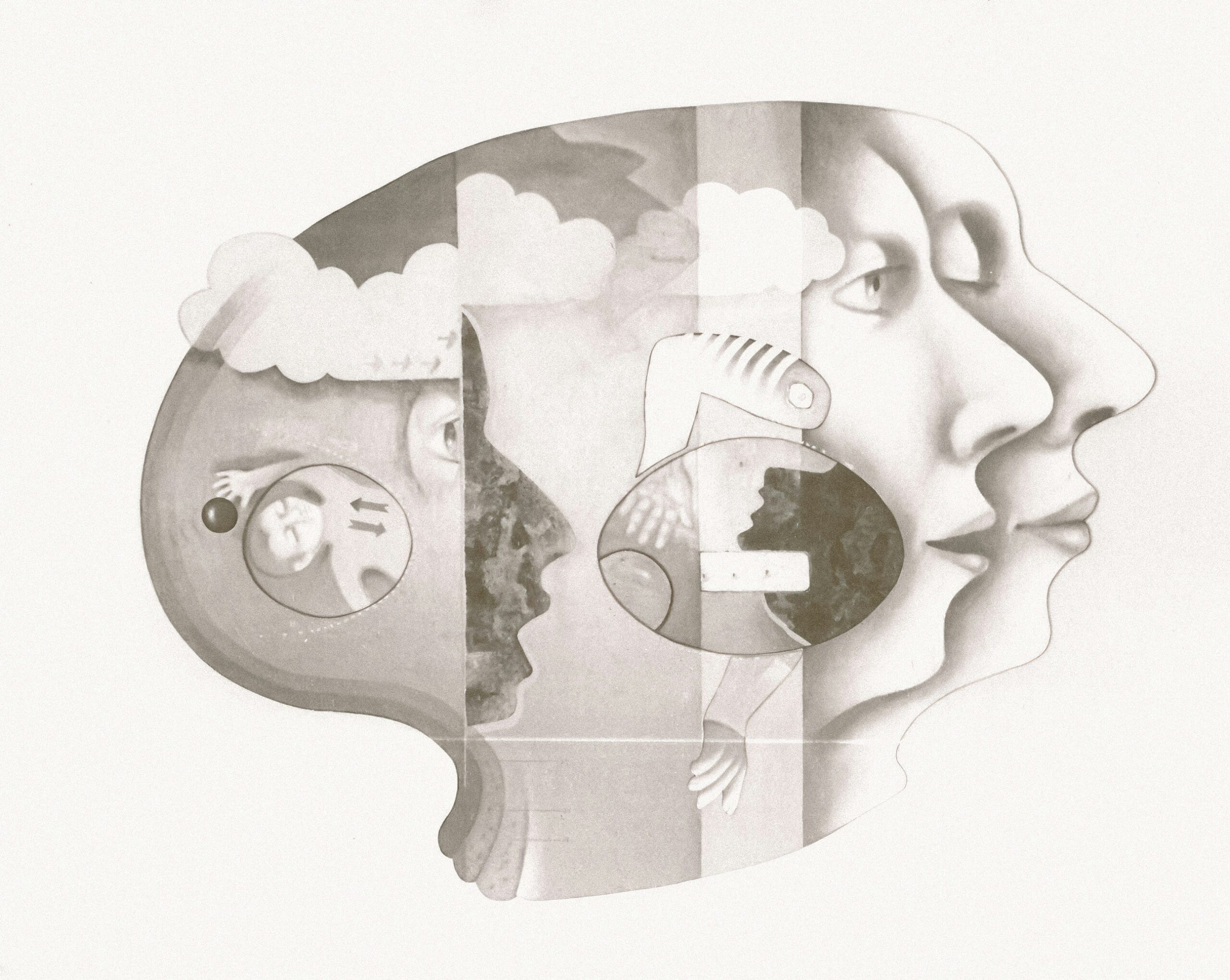
The unconscious mind is a vast and intricate landscape, often likened to an iceberg, where only a small portion is visible above the surface. This hidden realm houses our deepest fears, desires, and memories, many of which we may not even be aware of. Sigmund Freud, the father of psychoanalysis, famously posited that the unconscious plays a crucial role in shaping our thoughts and behaviors. He believed that unresolved conflicts and repressed emotions reside in this shadowy part of our psyche, influencing our actions in ways we might not fully comprehend. For instance, a person who experienced trauma in childhood may find themselves reacting with anxiety in situations that remind them of that past event, even if they cannot consciously recall the trauma itself.
Exploring the unconscious mind invites us to delve into the complexities of human experience. It challenges us to consider how much of our behavior is driven by forces beyond our immediate awareness. Carl Jung expanded on Freud’s ideas, introducing concepts like the collective unconscious and archetypes, suggesting that our unconscious is not just personal but also shared among humanity. This perspective opens up a rich dialogue about how cultural narratives and shared symbols shape our individual psyches. By understanding the unconscious, we can begin to unravel the threads that connect our personal experiences to broader human themes, ultimately leading to a deeper understanding of ourselves and our place in the world.
The philosophy of the unconscious mind has intrigued thinkers for centuries, exploring how our hidden thoughts and feelings influence our behavior. A related article that delves into this fascinating topic is available at Philosophy for Lunch, where you can find insights into how the unconscious shapes our perceptions and decision-making processes. This exploration not only enhances our understanding of human psychology but also raises important questions about free will and self-awareness.
The Role of the Unconscious Mind in Decision Making and Behavior
Our decision-making processes are often influenced by the unconscious mind in ways that can be both subtle and profound. When faced with choices, we may think we are acting rationally and logically, yet many of our decisions are swayed by unconscious biases and emotional responses. For example, consider a job interview scenario: while we may consciously prepare answers to potential questions, our underlying feelings about self-worth or past experiences can significantly impact how we present ourselves. If someone has internalized a belief that they are not deserving of success, they may unconsciously sabotage their chances by appearing overly anxious or disengaged.
Moreover, the unconscious mind can serve as a repository for learned behaviors and social conditioning. These ingrained patterns often dictate how we respond to various situations without us even realizing it. For instance, someone raised in an environment where expressing emotions was discouraged might find themselves struggling to articulate their feelings in adult relationships. This disconnect between conscious intentions and unconscious habits can lead to misunderstandings and conflicts, highlighting the importance of becoming aware of these hidden influences in our lives.
Harnessing the Power of the Unconscious Mind for Personal Growth and Development

Recognizing the power of the unconscious mind opens up exciting possibilities for personal growth and development. By engaging with this hidden aspect of ourselves, we can uncover insights that lead to transformative change. Techniques such as journaling, meditation, and creative expression can facilitate this exploration. For instance, journaling allows us to articulate thoughts and feelings that may be lurking beneath the surface, providing clarity and fostering self-awareness. As we write, we may stumble upon recurring themes or emotions that reveal deeper truths about ourselves.
Meditation offers another pathway to connect with the unconscious mind. By quieting the chatter of our conscious thoughts, we create space for deeper insights to emerge. This practice encourages us to observe our thoughts without judgment, allowing us to recognize patterns that may have previously gone unnoticed. As we cultivate this awareness, we can begin to challenge limiting beliefs and replace them with more empowering narratives. Ultimately, harnessing the power of the unconscious mind can lead to profound shifts in how we perceive ourselves and navigate the world around us.
Uncovering Hidden Beliefs and Patterns: How the Unconscious Mind Shapes Our Reality

The beliefs we hold about ourselves and the world often originate from experiences stored in our unconscious mind. These beliefs can shape our reality in significant ways, influencing how we interpret events and interact with others. For example, someone who unconsciously believes they are unworthy of love may find themselves in relationships that reinforce this belief, perpetuating a cycle of disappointment and heartache. By bringing these hidden beliefs into conscious awareness, we can begin to challenge their validity and seek healthier patterns.
Uncovering these hidden beliefs requires a willingness to engage in self-reflection and introspection. It may involve examining childhood experiences or significant life events that have shaped our worldview. As we explore these patterns, we may discover that many of our fears and limitations are not inherent truths but rather constructs formed through past experiences. This realization can be liberating; it empowers us to rewrite our narratives and create a more authentic version of ourselves.
The exploration of the unconscious mind has fascinated philosophers and psychologists alike, delving into how our hidden thoughts and desires shape our behavior. A thought-provoking article that discusses the implications of this concept can be found in the context of everyday experiences, where the interplay between conscious and unconscious influences is examined. For a deeper understanding, you can read more about this intriguing topic in the article Everybody Loves Pineapples and Donuts, which highlights the unexpected connections between our preferences and the underlying psychological mechanisms at play.
The Connection Between Dreams and the Unconscious Mind
| Aspect | Definition |
|---|---|
| Unconscious Mind | The part of the mind that is inaccessible to conscious awareness but affects behavior and emotions. |
| Sigmund Freud | Founder of psychoanalysis who popularized the concept of the unconscious mind. |
| Carl Jung | Psychologist who expanded on Freud’s ideas and developed the concept of the collective unconscious. |
| Role in Behavior | The unconscious mind is believed to influence behavior, desires, and motivations without conscious awareness. |
| Therapeutic Techniques | Therapies such as psychoanalysis aim to bring unconscious thoughts and feelings into conscious awareness for healing. |
Dreams serve as a fascinating window into the workings of the unconscious mind. Throughout history, cultures have regarded dreams as messages from the subconscious, offering insights into our innermost thoughts and feelings. Freud famously described dreams as “the royal road to the unconscious,” suggesting that they reveal repressed desires and unresolved conflicts. When we dream, our minds weave together fragments of experiences, emotions, and symbols that can provide valuable clues about our waking lives.
For instance, a recurring dream about falling might indicate feelings of insecurity or loss of control in one’s life. By paying attention to these dreams and reflecting on their meanings, we can gain a deeper understanding of our emotional landscape. Jung took this idea further by emphasizing the importance of archetypes—universal symbols that appear in dreams across cultures—as a way to connect with collective human experiences. Engaging with our dreams can thus become a powerful tool for self-discovery, allowing us to tap into the wisdom of our unconscious mind.
The exploration of the unconscious mind has long fascinated philosophers and psychologists alike, delving into the depths of human thought and behavior. A particularly insightful article discusses the various theories surrounding this enigmatic aspect of our psyche, shedding light on how it influences our daily lives and decisions. For those interested in a deeper understanding of these concepts, you can read more in this related article that examines the philosophical implications of the unconscious mind.
Techniques for Accessing and Communicating with the Unconscious Mind
Accessing the unconscious mind requires intentionality and openness to exploration. Various techniques can facilitate this process, each offering unique pathways to uncover hidden aspects of ourselves. One effective method is free association—a practice where individuals speak or write freely without censoring their thoughts. This technique encourages spontaneous expression, allowing thoughts and feelings to flow without judgment. As we engage in free association, we may uncover connections between seemingly unrelated ideas or emotions that reveal deeper truths about ourselves.
Another powerful technique is guided imagery or visualization. In this practice, individuals are led through a series of mental images designed to evoke feelings or memories associated with specific themes or questions. By immersing ourselves in these visualizations, we can access emotions stored in our unconscious mind and gain insights into unresolved issues or desires. Whether through free association or guided imagery, these techniques invite us to engage with our inner world more deeply, fostering a richer understanding of ourselves.
Overcoming Limiting Beliefs and Trauma Through Unconscious Mind Work
Many individuals carry limiting beliefs or unresolved trauma that hinder their personal growth and well-being. Engaging with the unconscious mind provides an opportunity to confront these barriers head-on. For example, someone who experienced bullying in childhood may internalize beliefs about their worthiness or ability to connect with others. By exploring these beliefs through therapeutic practices or self-reflection, individuals can begin to dismantle the narratives that have held them back.
Working through trauma often involves revisiting painful memories in a safe and supportive environment. Techniques such as EMDR (Eye Movement Desensitization and Reprocessing) have been developed specifically for this purpose, helping individuals process traumatic experiences stored in their unconscious mind. As they confront these memories, individuals can reframe their understanding of past events and cultivate resilience moving forward. This process not only fosters healing but also empowers individuals to reclaim their narratives and embrace a more fulfilling life.
The Unconscious Mind and Creativity: Tapping into Our Inner Genius
The relationship between the unconscious mind and creativity is both intriguing and profound. Many artists, writers, and innovators have attested to the role of intuition and inspiration in their creative processes—often attributing their best ideas to moments when they were “in the flow.” This state of flow allows individuals to tap into their unconscious mind’s reservoir of ideas and insights without being hindered by self-doubt or critical thinking.
Engaging with creativity can also serve as a means of accessing deeper emotions stored within the unconscious mind. For instance, an artist might find themselves drawn to certain themes or colors that resonate with their personal experiences or struggles. By allowing this creative expression to unfold organically, individuals can uncover hidden aspects of themselves while simultaneously producing meaningful work. Embracing creativity as a pathway to connect with the unconscious mind not only enriches artistic endeavors but also fosters personal growth and self-discovery.
Healing and Transformation Through Releasing Unconscious Blocks and Resistance
As we navigate life’s complexities, we often encounter blocks or resistance rooted in our unconscious mind—barriers that prevent us from fully embracing change or pursuing our goals. These blocks may manifest as procrastination, self-sabotage, or an overwhelming sense of fear when faced with new opportunities. Recognizing these patterns is essential for healing and transformation; it allows us to confront what lies beneath the surface.
Releasing these unconscious blocks often requires patience and compassion toward ourselves. Therapeutic practices such as mindfulness meditation can help cultivate awareness around these patterns without judgment. By observing our thoughts and feelings as they arise, we create space for healing—acknowledging fears while also challenging their validity. This process empowers us to move beyond limiting beliefs and embrace new possibilities for growth.
The Unconscious Mind in Relationships: Understanding Our Subconscious Influences
Our relationships are profoundly influenced by dynamics rooted in the unconscious mind—patterns learned from childhood experiences or past relationships often shape how we interact with others today. For example, someone who grew up witnessing conflict between parents may unconsciously replicate those patterns in their adult relationships, leading to cycles of misunderstanding or emotional distance.
Understanding these subconscious influences is crucial for fostering healthier connections with others. By becoming aware of our triggers—those emotional responses that arise during interactions—we can begin to break free from automatic reactions that no longer serve us. Engaging in open communication with partners or friends about these dynamics fosters deeper intimacy while allowing us to navigate conflicts more constructively.
Integrating the Conscious and Unconscious Mind for a Balanced and Empowered Life
Ultimately, achieving balance between our conscious and unconscious minds is essential for living an empowered life. This integration allows us to harness the strengths of both realms—drawing on conscious intention while also honoring the wisdom held within our unconscious selves. Practices such as mindfulness encourage this integration by fostering awareness of both thought patterns and emotional responses.
As we cultivate this balance, we become more attuned to our inner landscape—recognizing when unconscious beliefs may be influencing our choices while also embracing opportunities for growth and transformation. This holistic approach empowers us to navigate life’s challenges with greater resilience while fostering deeper connections with ourselves and others. In embracing both aspects of our psyche, we embark on a journey toward self-discovery that enriches not only our own lives but also those around us.
FAQs
What is the unconscious mind in philosophy?
The unconscious mind in philosophy refers to the part of the mind that is inaccessible to conscious awareness, but still influences thoughts, feelings, and behavior. It is a concept that has been explored by philosophers such as Sigmund Freud and Carl Jung.
How does the unconscious mind impact human behavior?
The unconscious mind is believed to impact human behavior by influencing thoughts, emotions, and actions without the individual being aware of it. This can manifest in various ways, such as through dreams, slips of the tongue, and certain behaviors that seem to have no rational explanation.
What are some key theories about the unconscious mind in philosophy?
Some key theories about the unconscious mind in philosophy include Sigmund Freud’s psychoanalytic theory, which posits that the unconscious mind is the source of repressed desires and conflicts, and Carl Jung’s theory of the collective unconscious, which suggests that the unconscious mind contains universal symbols and archetypes.
How is the unconscious mind studied in philosophy?
The study of the unconscious mind in philosophy often involves examining the nature of consciousness, the role of the subconscious, and the ways in which unconscious processes influence human thought and behavior. Philosophers may also draw on insights from psychology and neuroscience in their exploration of the unconscious mind.
What are the implications of the unconscious mind for philosophy?
The implications of the unconscious mind for philosophy are wide-ranging, touching on topics such as free will, moral responsibility, and the nature of the self. Exploring the unconscious mind can also shed light on the limits of human knowledge and understanding, as well as the complexities of human experience.