Simone de Beauvoir’s Feminist Philosophy

Simone de Beauvoir, a towering figure in 20th-century philosophy, is best known for her profound contributions to feminist thought and existentialism. Born in Paris in 1908, she emerged from a milieu rich in intellectual ferment, where the shadows of World War I and the interwar period shaped her worldview. Her most famous work, “The Second […]

Read more
The Philosophy of Free Speech: Defending the Right to Express

The Philosophy of Free Speech: Defending the Right to Express

The concept of free speech has deep historical roots, tracing back to ancient civilizations where the exchange of ideas was often a matter of life and death. In ancient Athens, for instance, the practice of democracy was intertwined with the ability to speak freely in public forums. Citizens could voice their opinions on governance, philosophy, […]

Read more

The Evolution of Ideas: A Brief History

The genesis of human thought can be traced back to the earliest civilizations, where the seeds of philosophy were sown in the fertile soil of myth and religion. In these primitive societies, ideas were often intertwined with spiritual beliefs, as people sought to understand their place in the cosmos. The stories told around fires served […]

Read more

Civilization: The Pursuit of Human Progress

The origins of civilization can be traced back to the dawn of human society, where the transition from nomadic hunter-gatherer groups to settled agricultural communities marked a pivotal moment in our collective history. This shift, often referred to as the Neolithic Revolution, laid the groundwork for the complex social structures that would follow. Early humans […]

Read more
The Impact of Globalization on Political Philosophy

The Impact of Globalization on Political Philosophy

Globalization is a multifaceted phenomenon that has transformed the way we understand and engage with the world. It encompasses the interconnectedness of economies, cultures, and political systems across national borders. In this context, political philosophy grapples with questions of justice, power, and governance in an increasingly interdependent world. The implications of globalization extend beyond mere […]

Read more
The Death of God: Nietzsche's Explanation

The Death of God: Nietzsche’s Explanation

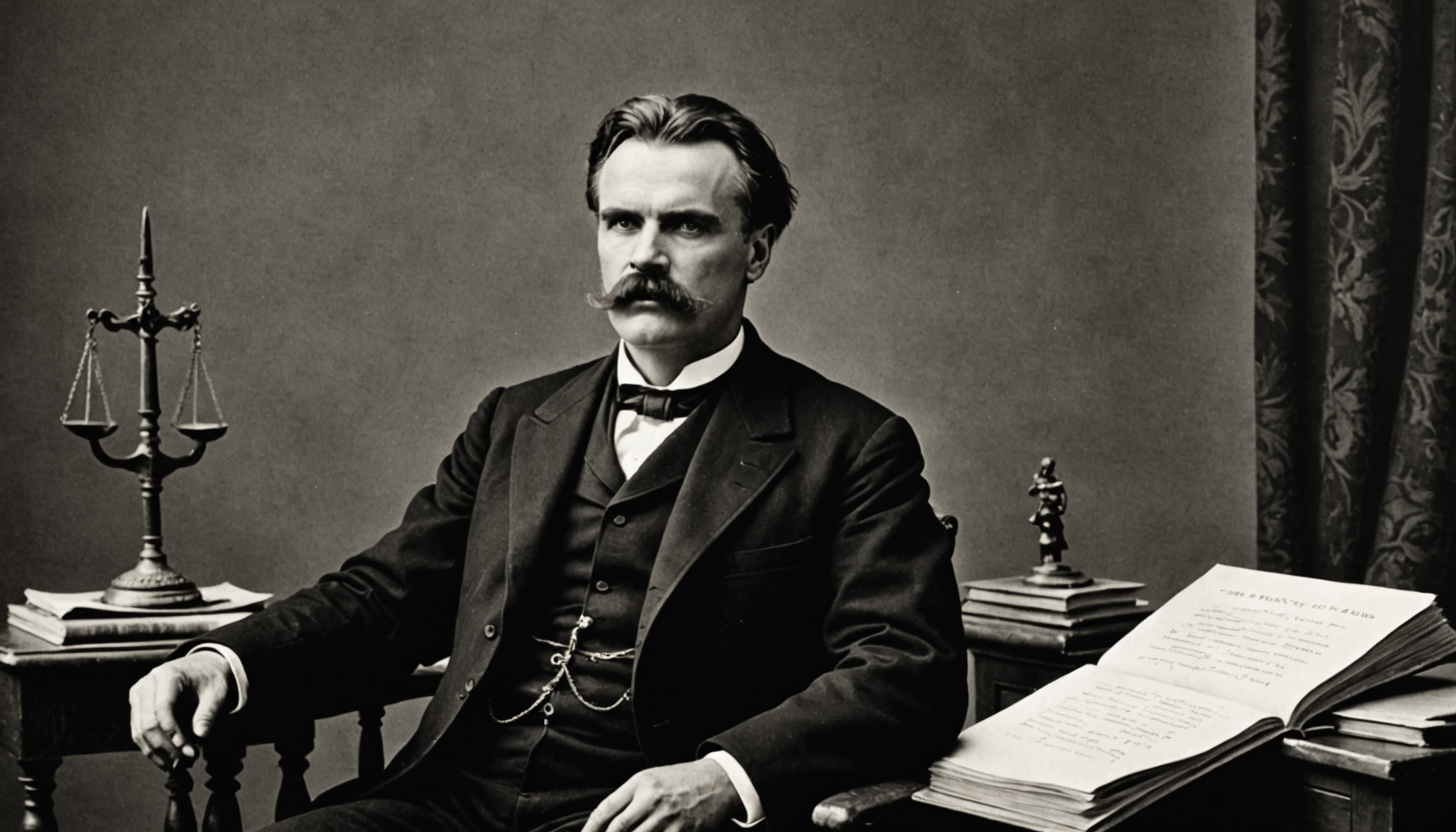
Friedrich Nietzsche’s proclamation of the “Death of God” is one of the most provocative and enduring ideas in modern philosophy. This phrase, which appears in his work “The Gay Science,” encapsulates a profound shift in the landscape of Western thought. Nietzsche was not merely announcing the decline of religious belief; he was articulating a seismic […]

Read more
Exploring Gender and Identity: A Philosophical Perspective

Exploring Gender and Identity: A Philosophical Perspective

In recent years, discussions surrounding gender and identity have surged to the forefront of social and political discourse. This heightened visibility reflects a broader cultural shift, one that challenges traditional notions of gender as a binary construct. As society grapples with the complexities of identity, it becomes increasingly clear that gender is not merely a […]

Read more

Challenging Inequality: A Philosophical Perspective on Race

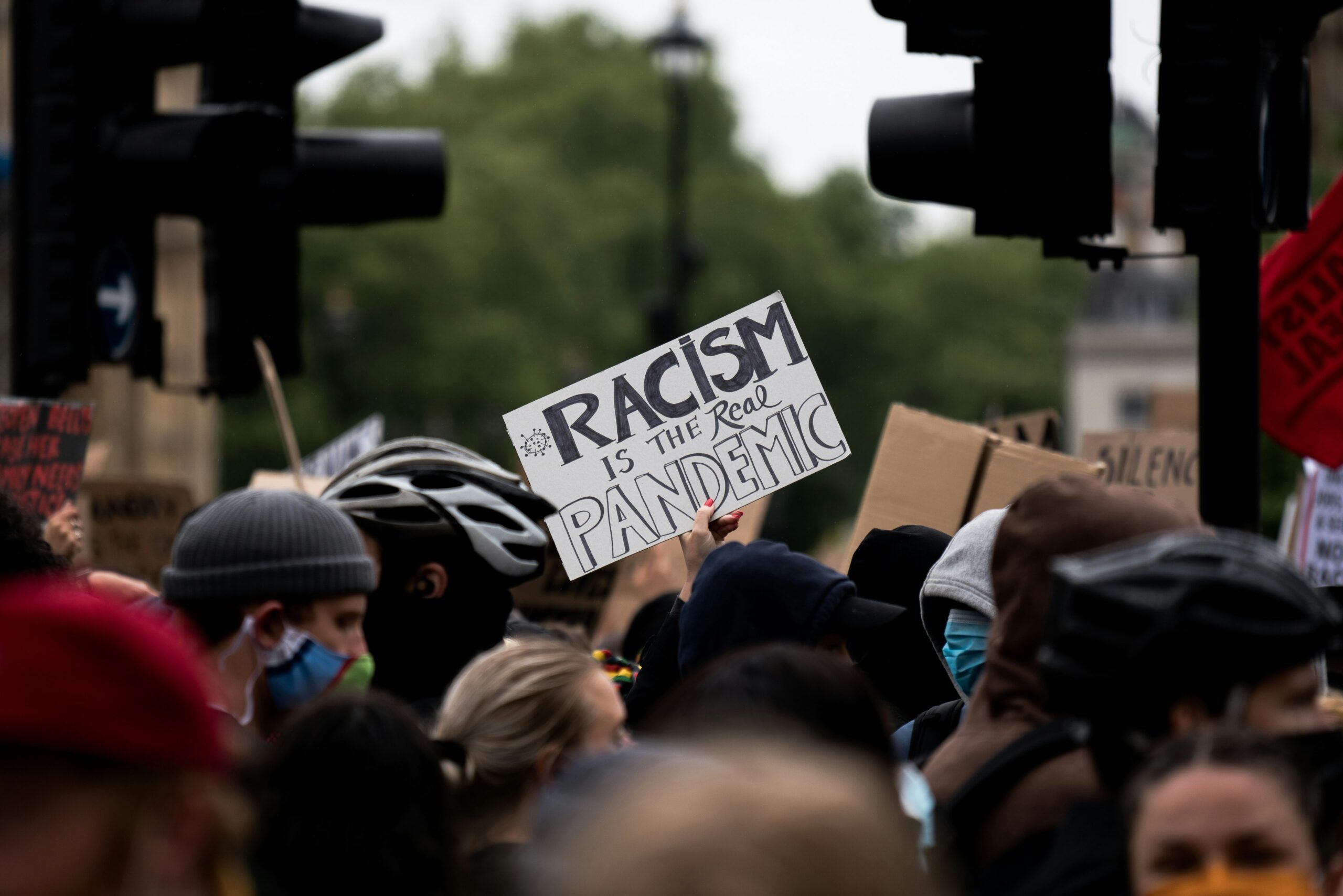
In contemporary society, the specter of inequality looms large, manifesting in various forms, with racial inequality being one of the most persistent and insidious. The struggle against this form of inequality is not merely a matter of social justice; it is a profound philosophical challenge that compels us to examine the very foundations of our […]

Read more

Tocqueville’s Philosophy of American Democracy

Alexis de Tocqueville, a French political thinker and historian, is best known for his seminal work, “Democracy in America,” published in the early 1830s. His observations and analyses of American society during a time of profound change have continued to resonate with scholars, politicians, and citizens alike. Tocqueville’s philosophy is rooted in a deep understanding […]

Read more

The Ethics of War and Violence

The ethics of war and violence is a profound and complex field that grapples with some of humanity’s most pressing moral dilemmas. As conflicts erupt across the globe, the question of when, if ever, it is justifiable to resort to violence becomes increasingly urgent. The stakes are high, not only for the nations involved but […]

Read more
John Rawls' Justice as Fairness: A Framework for Social Equality

John Rawls’ Justice as Fairness: A Framework for Social Equality

John Rawls, an American political philosopher, emerged as a pivotal figure in the landscape of modern political thought with his seminal work, “A Theory of Justice,” published in 1971. His ideas have profoundly influenced discussions around justice, equality, and the moral foundations of political institutions. Rawls sought to address the complexities of social cooperation in […]

Read more
The Intersection of Power and Justice: A Philosophical Exploration

The Intersection of Power and Justice: A Philosophical Exploration

In the intricate tapestry of human society, the concepts of power and justice are woven together in ways that shape our collective existence. Power, often defined as the ability to influence or control the behavior of people and institutions, is a fundamental aspect of social organization. Justice, on the other hand, embodies the principles of […]

Read more
The Paradox of Tolerance: Karl Popper's Warning

The Paradox of Tolerance: Karl Popper’s Warning

In an age where discussions about tolerance and inclusivity dominate public discourse, the philosophical insights of Karl Popper offer a critical lens through which to examine these concepts. Popper, a 20th-century philosopher known for his contributions to the philosophy of science and political theory, articulated a compelling paradox regarding tolerance in his work “The Open […]

Read more

The Banality of Evil: Hannah Arendt’s Perspective

Hannah Arendt, a German-American political theorist, is best known for her profound insights into the nature of power, authority, and morality in the context of totalitarianism. Her work emerged from the ashes of World War II and the Holocaust, events that not only reshaped the political landscape of Europe but also prompted deep philosophical inquiries […]

Read more
Understanding Hannah Arendt: A Brief Explanation

Understanding Hannah Arendt: A Brief Explanation

Hannah Arendt was born on October 14, 1906, in Hanover, Germany, into a secular Jewish family. Her early life was marked by the intellectual vibrancy of the Weimar Republic, a period characterized by cultural experimentation and political upheaval. Arendt’s upbringing in a household that valued education and critical thinking laid the groundwork for her future […]

Read more
Advancing Social Justice Through Philosophy

Advancing Social Justice Through Philosophy

Social justice is a concept that resonates deeply within the fabric of contemporary society, yet its implications stretch far beyond mere rhetoric. At its core, social justice seeks to address the inequalities that permeate our social structures, advocating for a fair distribution of resources, opportunities, and privileges. This pursuit is not merely a political or […]

Read more

The Philosophy of Democracy: A Guide to Inclusive Governance

Democracy, as a concept and practice, has roots that stretch back to ancient civilizations, most notably to Athens in the 5th century BCE. The Athenian model of democracy was revolutionary for its time, allowing a select group of male citizens to participate directly in decision-making processes. This early form of democracy was characterized by public […]

Read more
Title
.