
Seeking Truth: The Philosophy of Proof

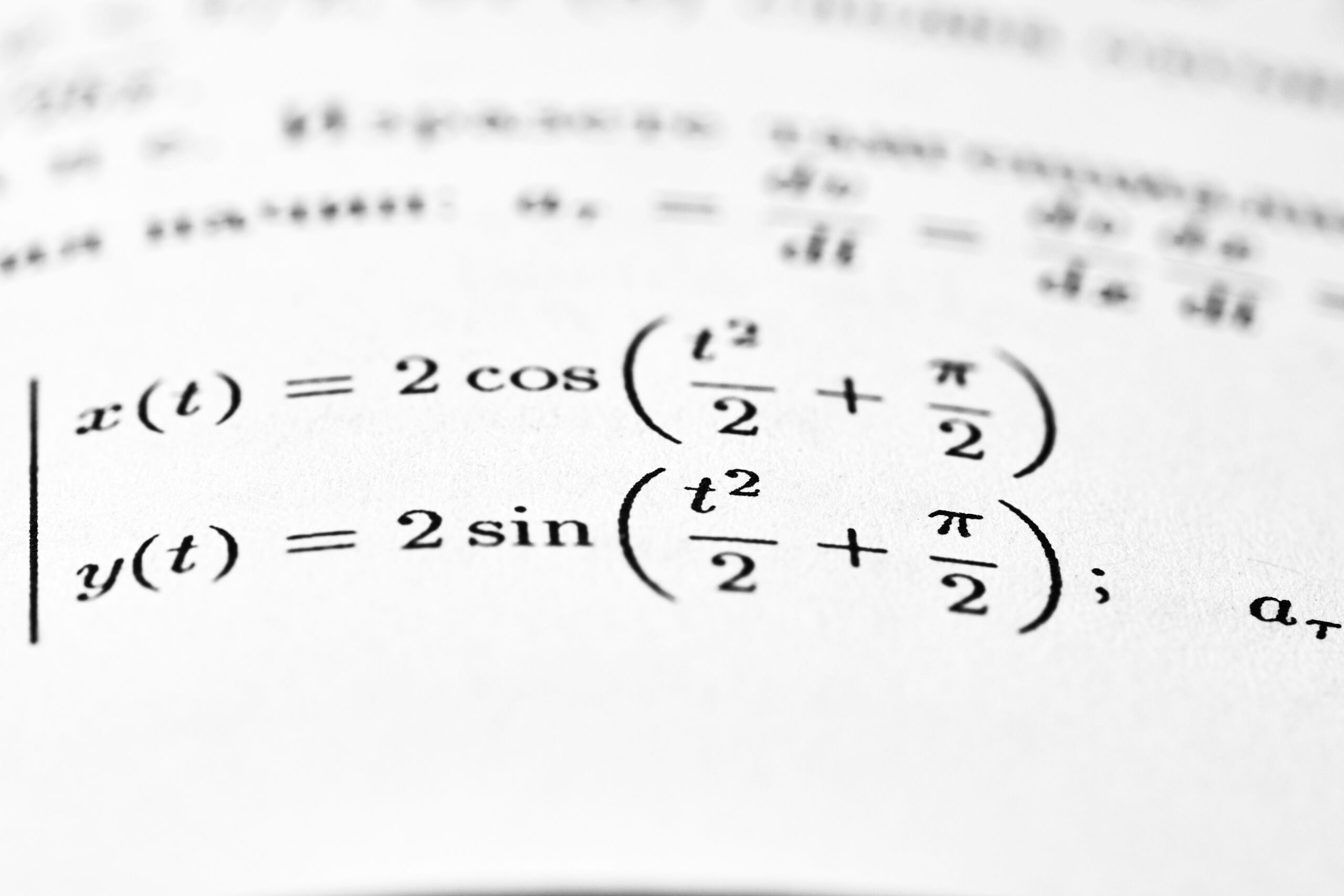
Truth is a concept that has intrigued humanity for centuries, prompting deep philosophical inquiry and debate. At its core, truth can be understood as a correspondence between our beliefs or statements and the reality they aim to represent. When we say something is true, we are asserting that it aligns with the way things actually […]

Read more

Embracing Technology: Balancing Humanity and Innovation

In the past few decades, technology has transformed the landscape of human interaction in ways that were once unimaginable. From the advent of the internet to the rise of social media platforms, our modes of communication have evolved dramatically. Today, a simple text message can bridge vast distances, allowing us to connect with friends and […]

Read more

Unraveling the Logical Paradox: A Mind-Bending Puzzle

Imagine standing at a crossroads, where every path seems to lead you deeper into a maze rather than toward a clear destination. This is the essence of logical paradoxes—enigmatic statements or propositions that defy our conventional understanding of truth and reason. They challenge our perceptions, forcing us to confront the limits of our logical frameworks. […]

Read more

Exploring the Intersection of Physics and Reality

At the heart of our understanding of the universe lies physics, a discipline that seeks to unravel the fundamental principles governing everything from the tiniest particles to the vast cosmos. But what does it mean to truly understand reality? This question has intrigued thinkers for centuries, and as we delve into the world of physics, […]

Read more

Embracing Bayesian Reasoning: A Philosophical Approach

Imagine you’re trying to decide whether to carry an umbrella on a cloudy day. You glance at the sky, recall the weather forecast, and consider your past experiences with similar weather. This mental process, where you weigh evidence and update your beliefs accordingly, is at the heart of Bayesian reasoning. Named after the 18th-century statistician […]

Read more
Hannah Arendt's Revolution: A Brief Explanation

Hannah Arendt’s Revolution: A Brief Explanation

Let’s pause for a moment from the rush of your day, perhaps as you’re enjoying a quiet meal, to consider the world you inhabit. Not just the physical world you move through, but the intricate web of ideas, forces, and structures that quietly, yet profoundly, shape your experience. What if we looked at the news […]

Read more

Embracing Uncertainty: The Philosophy of Probability

Probability is a concept that permeates our lives, often without us even realizing it. At its core, probability is a measure of uncertainty, a way to quantify how likely an event is to occur. Imagine flipping a coin: there are two possible outcomes—heads or tails. Each has a probability of 50%. This simple example illustrates […]

Read more

Exploring Wittgenstein’s Limits of Language

Ludwig Wittgenstein, a towering figure in 20th-century philosophy, invites us to reconsider the very foundations of how we think about language, meaning, and reality. His work, particularly in “Tractatus Logico-Philosophicus” and “Philosophical Investigations,” challenges us to reflect on the ways in which our linguistic practices shape our understanding of the world. Wittgenstein’s philosophy is not […]

Read more
The Age-Old Debate: Invented or Discovered?

The Age-Old Debate: Invented or Discovered?

The distinction between invention and discovery has long been a topic of philosophical inquiry, sparking debates that traverse the realms of science, art, and human creativity. At first glance, the two concepts may seem straightforward: invention refers to the creation of something new, while discovery involves uncovering something that already exists but was previously unknown. […]

Read more
The Gödel Incompleteness Theorem: A Simple Explanation

The Gödel Incompleteness Theorem: A Simple Explanation

Imagine a world where every mathematical truth could be proven, where every question posed within the realm of numbers and logic had a definitive answer. This was the dream of many mathematicians and philosophers in the early 20th century, a dream that promised a complete and consistent foundation for all of mathematics. However, this dream […]

Read more
The Philosophical Foundations of Mathematics

The Philosophical Foundations of Mathematics

Mathematics is often seen as a realm of certainty, a language of numbers and symbols that provides clear answers to complex problems. Yet, beneath this surface of precision lies a rich tapestry of philosophical inquiry that questions the very foundations of mathematical thought. What does it mean for something to be mathematically true? How do […]

Read more
The Intersection of Logic and Philosophy

The Intersection of Logic and Philosophy

Logic and philosophy are two intertwined disciplines that have shaped human thought for centuries. At their core, logic provides the tools for clear reasoning, while philosophy seeks to explore the fundamental questions of existence, knowledge, and ethics. Together, they form a framework through which we can examine our beliefs, challenge assumptions, and strive for a […]

Read more
Exploring Epistemology: Understanding Knowledge

Exploring Epistemology: Understanding Knowledge

Epistemology is the branch of philosophy that delves into the nature, scope, and limits of knowledge. At its core, it asks fundamental questions: What does it mean to know something? How do we acquire knowledge? Can we ever be certain of what we know? These inquiries are not merely academic; they resonate deeply with our […]

Read more

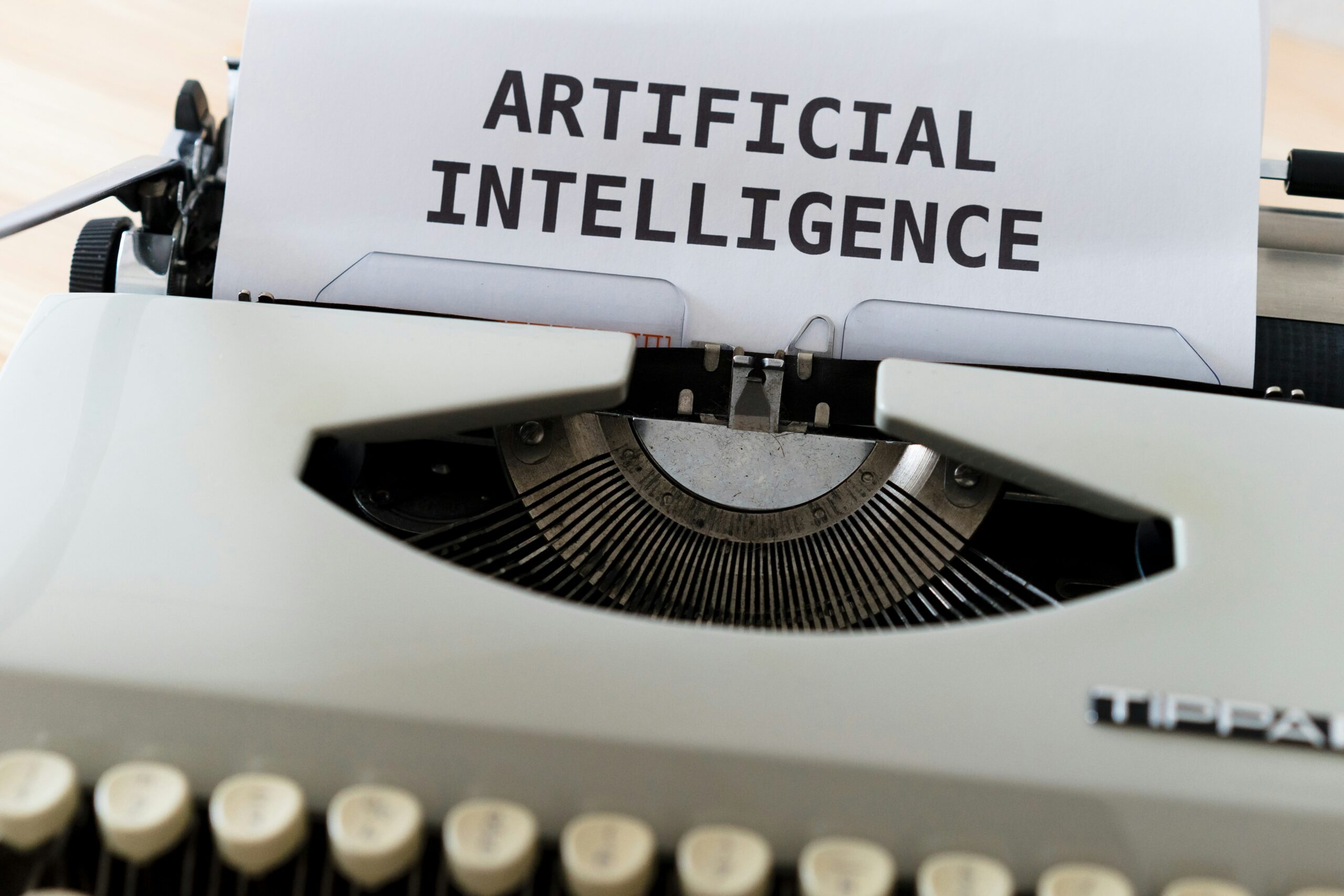
Unraveling the Ethical Implications of AI

Artificial Intelligence (AI) has rapidly transformed from a niche area of research into a pervasive force that shapes our daily lives. From the algorithms that curate our social media feeds to the systems that assist in medical diagnoses, AI is woven into the fabric of modern society. However, as we embrace these technological advancements, we […]

Read more
Title
.