Philosophy for Lunch: The World We Live In
You wake up. The news cycle churns. Is it just noise, or is it telling you something important about the complex, often contradictory world you inhabit? This isn’t just about headlines; it’s about the deep currents shaping your daily experience, from the price of your coffee to the perceived fairness of your opportunities. Let’s sit down, perhaps with that same coffee, and unpack some of these familiar, yet often unexamined, elements of the world we live in.
You’ve probably heard people talk about their “rights.” It’s a word that can feel powerful, a shield against perceived injustice. But where does this idea of rights come from, and what are its implications?
The Enlightenment Spark
Think back to thinkers like Mary Wollstonecraft. In her time, she was arguing passionately that reason wasn’t exclusive to men. For women to truly participate in society, to be treated with dignity and fairness, they needed access to education and the freedom to exercise their own minds. This connection between reason and rights is crucial. It suggests that rights aren’t simply gifted; they are, ideally, grounded in our shared humanity and our capacity for rational thought and moral agency.
From Paper to Pavement
How does this translate to your life? When you vote, you’re exercising a right. When you speak your mind publicly, you’re (hopefully) protected by a right to free speech. But these rights aren’t always absolute, and their application can be debated. Do you have a right to a certain standard of living? Do employers have a right to hire whomever they choose, regardless of background? These questions, rooted in Enlightenment ideals, are still being worked out on the streets of your city.
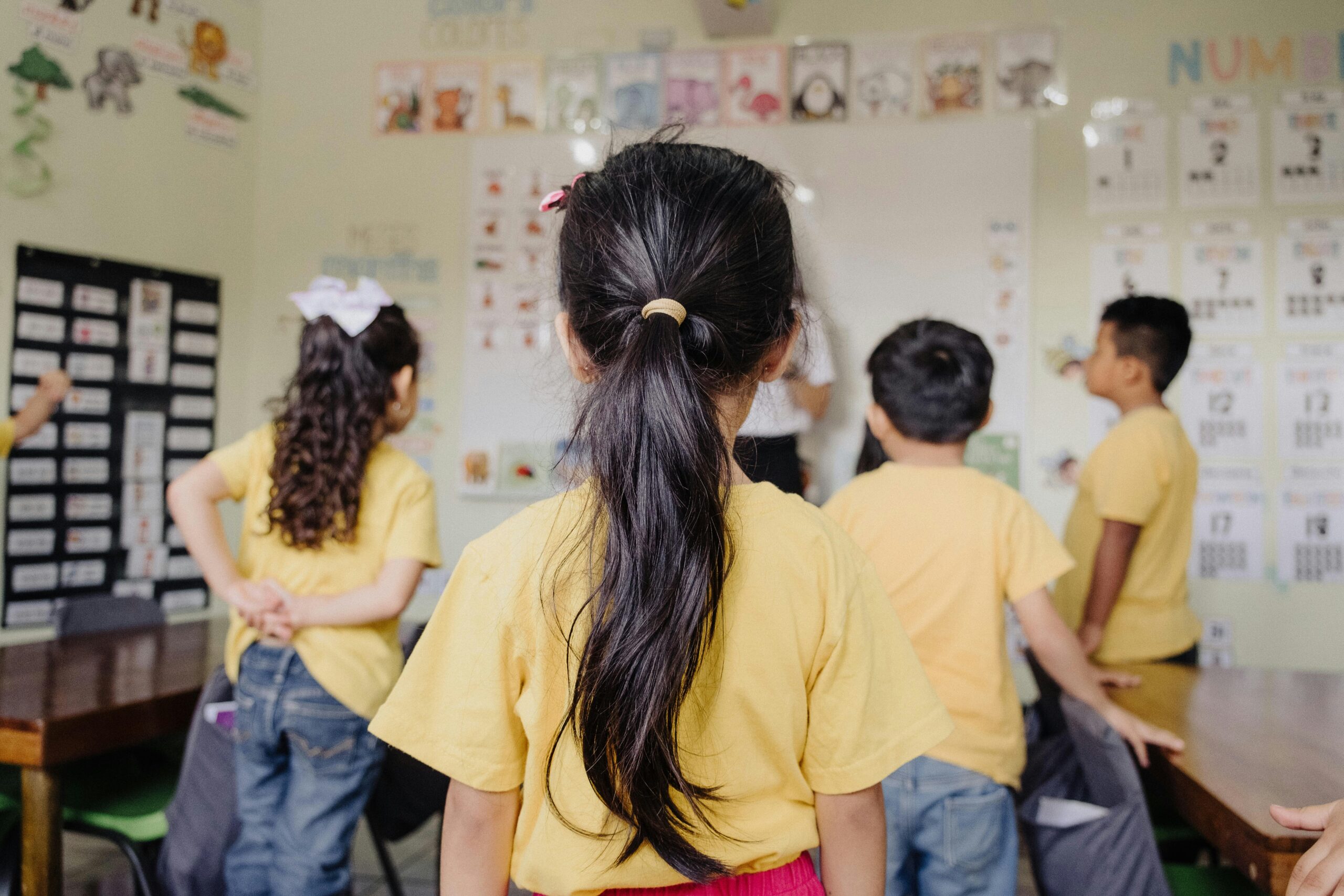
In exploring the intricate relationship between philosophy of education and society, one can gain valuable insights from the article available at Philosophy for Lunch. This piece delves into how educational philosophies shape societal values and vice versa, highlighting the importance of critical thinking and ethical considerations in educational practices. By examining these connections, educators and philosophers alike can better understand the role of education in fostering a just and equitable society.
The Nature of Work and Its Worth
You work. Most people do. It’s a fundamental part of adult life, how we earn a living, and often, how we define ourselves. But what is work, and what is its true value?
Thoreau’s Simple Life
Henry David Thoreau, from his cabin at Walden Pond, offered a radical perspective. He questioned the relentless pursuit of material wealth and the endless cycle of labor it demanded. He suggested that many of our needs are manufactured, and that simplifying our lives could lead to greater freedom and a deeper connection with ourselves and nature.
The Daily Grind and Its Narratives
In your daily life, this might translate to feeling overwhelmed by your to-do list, or wondering if the sacrifices you make at work are truly worth the return. Is the value of your labor solely determined by the market, or does it have an inherent worth, regardless of profit margins? These are echoes of Thoreau’s disquiet, playing out in every office, factory, and service counter.
Cities: Hubs of Life and Tension

You likely live, or at least spend a significant amount of time, in a city. They are vibrant, diverse, and often overwhelming places. What makes them work, and what friction do they generate?
The Weight of Tradition
Edmund Burke, in his time, emphasized the importance of tradition and established institutions. He saw societies as intricate tapestries woven over generations, and he cautioned against the impulse for radical change, believing that existing structures, however imperfect, carried the wisdom of the past.
The Evolving Urban Landscape
Cities embody this tension. They are built on layers of history, with old buildings standing alongside gleaming new skyscrapers. Monuments in your city tell one story, while the stories of those who built them, or those marginalized by the city’s development, might be less visible. The debate over what to preserve, what to tear down, and what new forms of urban life to embrace are ongoing dialogues about how we honor the past and shape the future.
Amenities and Access: A Tale of Two Halves
Consider the amenities your city offers: parks, public transport, cultural institutions. Who has easy access to these? Who faces barriers, whether financial or geographic? This brings us to the concept of class.
| Viewpoint | Core Idea | Everyday Manifestation |
| : | : | : |
| Burke (Tradition) | Stability and continuity arise from established customs and institutions. | Preserving historic buildings; valuing long-standing neighborhood businesses; respecting established hierarchies in organizations. |
| Contemporary Urbanism | Cities are complex ecosystems shaped by economic forces, social needs, and infrastructure. | Debates over gentrification; the design of public spaces; the accessibility of public transport; the impact of new development on existing communities. |
Join us on Patreon at https://www.patreon.com/cw/PhilosophyforLunch to support our philosophy discussions over lunch.
Borders and Belonging: Drawing Lines, Creating Divisions

You cross borders, perhaps daily if you commute, or less frequently on vacation. But the concept of borders, both physical and metaphorical, extends far beyond checkpoints.
The Power of Hegemony
Antonio Gramsci’s concept of hegemony is useful here. He argued that dominant groups maintain their power not just through force, but by shaping the very ideas and beliefs that people accept as common sense. This can include the narratives surrounding national identity, citizenship, and who “belongs.”
Walls and Welcome Mats
Think about the debates around immigration. What criteria determine who is “welcome” and who is not? How do these decisions reinforce existing power structures and create divisions? The language used, the policies enacted – these are all ways that borders are drawn and reinforced, impacting individuals and communities, and shaping your sense of who is part of your collective “us.”
In exploring the intricate relationship between philosophy of education and society, one can gain valuable insights from various resources. A particularly interesting article discusses the impact of educational philosophies on business practices, highlighting how these ideas can shape societal values and norms. For a deeper understanding of this connection, you can read more about it in this insightful piece on business podcasts at different levels. This resource provides a unique perspective on how philosophical frameworks influence not only education but also the broader societal context in which we operate.
Class: The Invisible, Yet Tangible, Divide
| Aspect | Metric |
|---|---|
| Educational Philosophy | Progressive, Traditional, Perennialism, Essentialism, Reconstructionism, etc. |
| Societal Impact | Educational policies, cultural values, social equality, economic development, etc. |
| Role of Education | Empowerment, socialization, critical thinking, moral development, etc. |
| Challenges | Access to education, funding, curriculum relevance, technology integration, etc. |
You often hear about “class,” sometimes in dismissive ways. But beneath the surface, class is a persistent reality that quietly shapes opportunities and experiences.
The Frankfurt School and Ideology
The Frankfurt School of critical theory explored how dominant ideologies, often disseminated through media, can obscure the realities of power and inequality. They argued that what we often accept as “natural” or “common sense” can actually be a tool for maintaining the status quo, including class divisions.
Ladder or Treadmill?
Is the dream of climbing the economic ladder a reality for most? Or does the system, as some critics suggest, function more like a treadmill, where significant effort is required just to stay in place, and upward mobility is a privilege, not a guaranteed outcome? This isn’t just about individual grit; it’s about the structures that make certain paths smoother than others.
Media and Culture: The Stories We Tell Ourselves
Your day is likely punctuated by interactions with media – scrolling through social feeds, watching television, listening to podcasts. It’s the constant hum of information and entertainment.
The Shaping Power of Media
The Frankfurt School also analyzed mass culture, suggesting that much of what is produced is designed to pacify and distract, rather than to provoke critical thought. They warned that the relentless consumption of entertainment could lead to passive audiences, less able to question the world around them.
Echo Chambers and Shared Realities
Consider the “filter bubbles” of social media. You tend to see content that aligns with your existing views, reinforcing what you already believe. This can make understanding people with different perspectives incredibly challenging, contributing to cultural divides and hindering constructive dialogue.
Sports: Competition, Community, and Commerce
You might enjoy watching or playing sports. They are often framed as arenas of pure competition, teamwork, and national pride. But what else is happening beneath the surface?
Competition as a Value
The idea of competition is deeply ingrained in many cultures, including those influenced by capitalist economies. It’s often presented as a driver of innovation and excellence.
Beyond the Field of Play
However, sports can also be a microcosm of broader societal issues. The immense wealth generated in professional sports raises questions about resource allocation. The intense focus on winning can sometimes overshadow the values of sportsmanship and player well-being. And the narratives surrounding athletes can reflect and reinforce cultural biases.
Economic Justice: The Elusive Goal of Fairness
At the heart of many of these discussions lies economic justice. What does it mean for an economy to be “fair”?
The Spectre of Revolution
Hannah Arendt, in her analysis of revolution, argued that genuine freedom requires not just the absence of oppression, but the establishment of conditions that allow for meaningful participation and the creation of new institutions. This touches on economic justice: are the current economic structures enabling genuine participation and leading to equitable outcomes?
Shared Resources and Trade-offs
Think about how resources are distributed. Is it just a matter of individual effort, or are there systemic factors at play? The debate over wealth inequality, taxation, and social safety nets are all part of this ongoing quest for economic justice. There are often trade-offs involved – policies that aim to redistribute wealth may be seen by some as stifling economic growth, while others argue that unchecked inequality undermines social cohesion and hinders individual potential.
Carrying These Thoughts Forward
This is a lot to digest. The world we live in is a complex tapestry, woven with threads of history, power, and everyday choice. As you move through your week, consider these questions not as abstract puzzles, but as prompts for observation and reflection.
- When you see a news report about a political debate, what underlying assumptions about rights or power might be at play?
- During your workday, how do you see the value of your labor being determined?
- As you walk through your city, what stories do the buildings and the people tell about its history and its present?
- When you hear discussions about borders or immigration, what historical narratives or ideas of belonging are being invoked?
- In your own life, how much do you feel shaped by the “ideologies” or “common sense” of your community and culture?
- When you encounter competition, whether in sports or in the marketplace, what are the perceived benefits and potential drawbacks?
- What does “fairness” look like to you in the context of the economy, and what small actions might move us closer to that ideal?
These are questions that don’t have easy answers, but by bringing them into our ordinary conversations and our daily walks, we can begin to truly understand the world we live in, and perhaps, how to shape it for the better.
FAQs
What is the philosophy of education?
The philosophy of education is a branch of philosophy that examines the goals, forms, methods, and meaning of education. It explores the nature of education and its role in society, as well as the principles and values that underlie educational practices.
How does the philosophy of education impact society?
The philosophy of education influences the way educational institutions are structured, the curriculum that is taught, and the methods of teaching and learning. It also shapes the values and beliefs that are transmitted to future generations, impacting the overall development and progress of society.
What are some key theories in the philosophy of education?
Some key theories in the philosophy of education include perennialism, essentialism, progressivism, and social reconstructionism. These theories offer different perspectives on the purpose of education, the nature of knowledge, and the role of the teacher and student in the learning process.
How does the philosophy of education address diversity and inclusion?
The philosophy of education addresses diversity and inclusion by promoting the idea that education should be accessible to all individuals, regardless of their background, abilities, or circumstances. It emphasizes the importance of creating inclusive learning environments that respect and celebrate diversity.
What role does ethics play in the philosophy of education?
Ethics plays a significant role in the philosophy of education by guiding the moral and ethical principles that should govern educational practices. It raises questions about the responsibilities of educators, the rights of students, and the ethical implications of educational policies and decisions.