

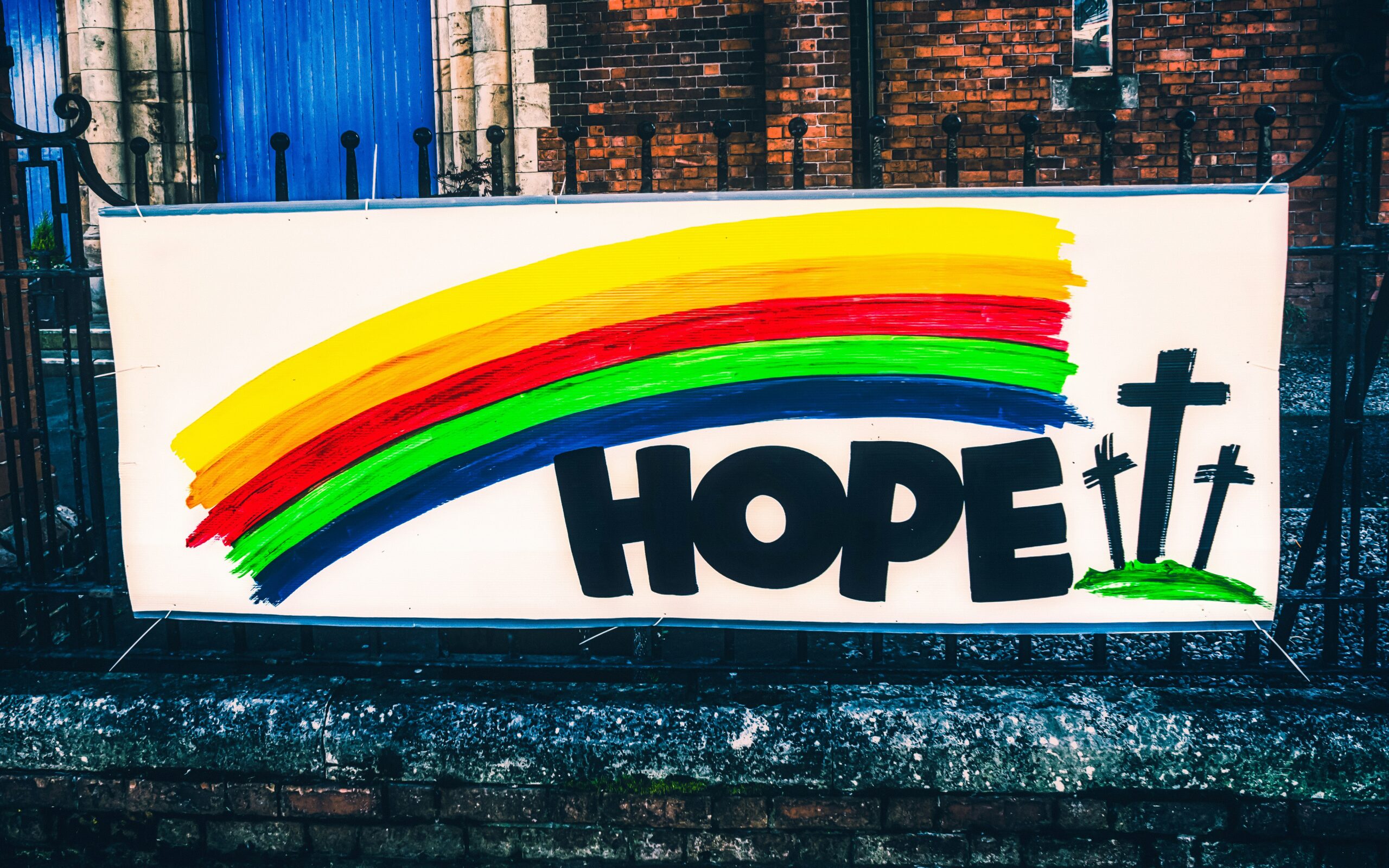
Hope is a complex and multifaceted emotion that often eludes precise definition. At its core, hope embodies the belief that a positive outcome is possible, even in the face of uncertainty or adversity. It is not merely wishful thinking; rather, it is a dynamic force that propels us forward, urging us to envision a better future. Philosophers and psychologists alike have long pondered the nature of hope, recognizing it as an essential aspect of the human experience. It serves as a bridge between our current reality and our aspirations, allowing us to navigate the often tumultuous waters of life with a sense of purpose.
In many ways, hope can be seen as a lifeline. It provides comfort during times of despair and acts as a catalyst for change. When we hope, we engage in a form of active dreaming, where our desires and ambitions take shape in our minds. This imaginative process is not just about daydreaming; it involves setting intentions and creating pathways toward our goals. Hope encourages us to confront our fears and uncertainties, fostering resilience in the face of life’s inevitable challenges. By understanding hope as both a feeling and a practice, we can begin to appreciate its profound impact on our lives.
In exploring the philosophy of hope, one can find intriguing insights in various discussions surrounding the nature of optimism and resilience. A related article that delves into the importance of communication and sharing ideas is available at Clever Ways to Get Your Podcast Heard. This piece emphasizes how effectively conveying one’s thoughts can inspire hope and foster connections, which are essential elements in the philosophical discourse on hope.
The Psychological Benefits of Hope
The psychological benefits of hope are well-documented, with research indicating that it plays a crucial role in mental health and well-being. Hope has been linked to lower levels of anxiety and depression, as it fosters a sense of agency and control over one’s life. When we cultivate hope, we are more likely to adopt a proactive approach to challenges, viewing them as opportunities for growth rather than insurmountable obstacles. This shift in perspective can significantly enhance our emotional resilience, allowing us to bounce back from setbacks with renewed vigor.
Moreover, hope can serve as a protective factor against stress. In times of crisis or uncertainty, individuals who maintain a hopeful outlook are better equipped to cope with adversity. They are more likely to seek support from others, engage in problem-solving behaviors, and maintain a sense of optimism about the future. This positive mindset not only bolsters our mental health but also influences our physical well-being, as stress can take a toll on our bodies. By nurturing hope, we create a buffer against the negative effects of stress, promoting overall health and vitality.
Cultivating a Positive Mindset

Cultivating a positive mindset is an essential aspect of fostering hope in our lives. It begins with self-awareness—recognizing our thoughts and beliefs about ourselves and the world around us. Often, we may find ourselves trapped in cycles of negative thinking, where doubts and fears overshadow our aspirations. To break free from this pattern, we must consciously challenge these limiting beliefs and replace them with affirmations that reflect our potential for growth and success.
One effective way to cultivate a positive mindset is through gratitude practices. By regularly reflecting on the things we are thankful for, we shift our focus from what is lacking in our lives to what is abundant. This simple yet powerful exercise can help us develop a more optimistic outlook, reinforcing our sense of hope. Additionally, surrounding ourselves with positive influences—whether through supportive relationships or uplifting media—can further enhance our mindset. When we immerse ourselves in environments that encourage growth and positivity, we create fertile ground for hope to flourish.
Overcoming Adversity with Hope

Adversity is an inevitable part of life, but it is how we respond to these challenges that defines our journey. Hope plays a pivotal role in overcoming adversity, acting as a guiding light during dark times. When faced with difficulties, individuals who maintain hope are more likely to persevere and find solutions rather than succumb to despair. This resilience is not born from ignorance of the situation but rather from an unwavering belief that change is possible.
Consider the stories of those who have triumphed over significant hardships—be it illness, loss, or personal struggles. Many attribute their ability to overcome these challenges to their capacity for hope. They envision a future beyond their current pain and actively work toward that vision. This does not mean that they deny their suffering; instead, they acknowledge it while holding onto the belief that brighter days lie ahead. In this way, hope becomes a powerful tool for transformation, enabling us to rise above our circumstances and emerge stronger on the other side.
In exploring the intricate relationship between optimism and human experience, the philosophy of hope offers profound insights into how we navigate life’s uncertainties. A thought-provoking article that delves into this theme can be found at this link, where the author examines how our expectations shape our realities and influence our actions. By understanding the dynamics of hope, we can better appreciate its role in fostering resilience and motivation in the face of challenges.
The Role of Hope in Achieving Goals
| Aspect | Metric |
|---|---|
| Definition | The belief in the possibility of positive outcomes, even in difficult circumstances. |
| Key Philosophers | Ernst Bloch, Gabriel Marcel, Jürgen Moltmann |
| Impact | Provides motivation and resilience in the face of adversity. |
| Applications | Used in psychology, theology, and social movements. |
Hope is intricately linked to goal-setting and achievement. When we set goals, we are essentially mapping out our aspirations for the future. However, without hope, these goals can feel distant or unattainable. Hope provides the motivation needed to pursue our ambitions, fueling our determination to take action. It encourages us to envision not just what we want to achieve but also the steps necessary to get there.
Moreover, hope fosters persistence in the face of setbacks. The journey toward achieving our goals is rarely linear; it often involves detours and obstacles that can be discouraging. Yet, when we maintain a hopeful outlook, we are more likely to view these challenges as temporary hurdles rather than permanent roadblocks. This perspective allows us to adapt our strategies and remain committed to our objectives, ultimately increasing our chances of success.
In exploring the intricate connections between optimism and human experience, the philosophy of hope emerges as a vital area of inquiry. A thought-provoking article that delves into this subject can be found on the Philosophy for Lunch website, where it discusses various perspectives on how hope shapes our understanding of existence and motivates our actions. For those interested in a deeper exploration of this theme, you can read more in the article here. This examination not only highlights the significance of hope in philosophical discourse but also encourages readers to reflect on their own aspirations and beliefs.
Nurturing Hope in Relationships
Hope is not only an individual experience; it also plays a vital role in our relationships with others. Nurturing hope within our connections can strengthen bonds and foster deeper understanding among friends, family members, and partners. When we share our hopes and dreams with those we care about, we create an environment of support and encouragement that can be transformative.
In relationships marked by mutual hope, individuals feel empowered to pursue their aspirations without fear of judgment or ridicule. This sense of safety allows for open communication about challenges and vulnerabilities, fostering intimacy and trust. Additionally, when we witness others striving toward their goals with hopefulness, it can inspire us to do the same. In this way, hope becomes contagious—spreading through our interactions and enriching the fabric of our relationships.
Finding Hope in Challenging Times
Challenging times can often feel overwhelming, leaving us grappling with feelings of despair or hopelessness. Yet it is precisely during these moments that finding hope becomes crucial. It may require intentional effort to seek out sources of inspiration—whether through nature, art, literature, or community engagement—but these pursuits can reignite our sense of possibility.
One powerful way to cultivate hope during difficult times is by engaging in acts of kindness or service to others. Helping those in need not only uplifts them but also fosters a sense of connection and purpose within ourselves. By shifting our focus outward and contributing positively to the world around us, we can find renewed hope amidst personal struggles. This reciprocal relationship between giving and receiving hope underscores the importance of community support during challenging periods.
Embracing Optimism for Better Mental Health
Embracing optimism is closely tied to nurturing hope and can significantly enhance our mental health. Optimism involves maintaining a positive outlook on life while acknowledging its complexities and challenges. It is not about ignoring difficulties but rather about believing in our ability to navigate them successfully.
Research has shown that individuals who adopt an optimistic mindset tend to experience lower levels of stress and anxiety. They are more likely to engage in healthy coping strategies when faced with adversity and are better equipped to bounce back from setbacks. By consciously choosing optimism as a lens through which we view the world, we create an internal environment conducive to hope—a space where possibilities abound rather than limitations define us.
The Impact of Hope on Physical Well-being
The impact of hope extends beyond mental health; it also significantly influences physical well-being. Studies have demonstrated that individuals with higher levels of hope tend to engage in healthier behaviors—such as regular exercise, balanced nutrition, and adequate sleep—compared to those who feel hopeless or defeated by their circumstances. This connection between hope and health underscores the holistic nature of well-being.
Moreover, hope has been linked to improved immune function and overall longevity. When we nurture hope within ourselves, we reduce stress levels and promote positive physiological responses that contribute to better health outcomes. This interplay between mind and body highlights the importance of cultivating hope not just as an abstract concept but as an integral part of living well.
Strategies for Building and Sustaining Hope
Building and sustaining hope requires intentionality and practice. One effective strategy is setting small, achievable goals that align with our larger aspirations. By breaking down daunting objectives into manageable steps, we create opportunities for success that reinforce our sense of agency and possibility.
Additionally, maintaining a hopeful mindset involves surrounding ourselves with positive influences—whether through supportive relationships or uplifting literature and media. Engaging in mindfulness practices can also help us stay grounded in the present moment while fostering an optimistic outlook on the future. Journaling about our hopes and dreams can serve as a powerful reminder of what we aspire to achieve, keeping our vision alive even during challenging times.
Spreading Hope to Others
Finally, spreading hope to others is one of the most rewarding aspects of nurturing this powerful emotion within ourselves. Acts of kindness—whether through words of encouragement or tangible support—can have a profound impact on those around us. When we share our own stories of resilience and hopefulness, we inspire others to believe in their potential for growth and change.
Creating communities centered around shared hopes can amplify this effect even further. Whether through support groups or collaborative projects aimed at positive change, fostering environments where individuals feel empowered to express their aspirations can lead to collective transformation. In this way, hope becomes not just an individual pursuit but a communal endeavor—one that enriches lives and uplifts spirits across the board.
In conclusion, hope is an essential aspect of being human—a guiding force that helps us navigate life’s complexities with resilience and purpose. By understanding its significance and actively cultivating it within ourselves and our relationships, we can foster a brighter future not only for ourselves but for those around us as well.
FAQs
What is the philosophy of hope?
The philosophy of hope is a branch of philosophy that explores the nature of hope, its role in human life, and its relationship to other philosophical concepts such as faith, optimism, and despair.
Who are some influential philosophers in the philosophy of hope?
Some influential philosophers in the philosophy of hope include Gabriel Marcel, Ernst Bloch, and Jürgen Moltmann. These philosophers have contributed significant ideas and theories about the nature and significance of hope in human existence.
What are some key concepts in the philosophy of hope?
Key concepts in the philosophy of hope include the distinction between hope and optimism, the relationship between hope and despair, the existential significance of hope, and the ethical implications of hope in human life.
How does the philosophy of hope relate to other philosophical concepts?
The philosophy of hope is closely related to other philosophical concepts such as faith, optimism, despair, and existentialism. It explores the connections and distinctions between these concepts and their implications for human existence.
What are some practical implications of the philosophy of hope?
The philosophy of hope has practical implications for various aspects of human life, including psychology, ethics, social justice, and personal well-being. It offers insights into the importance of hope in facing adversity, pursuing meaningful goals, and fostering resilience.