
The Intersection of Logic and Philosophy

The Intersection of Logic and Philosophy

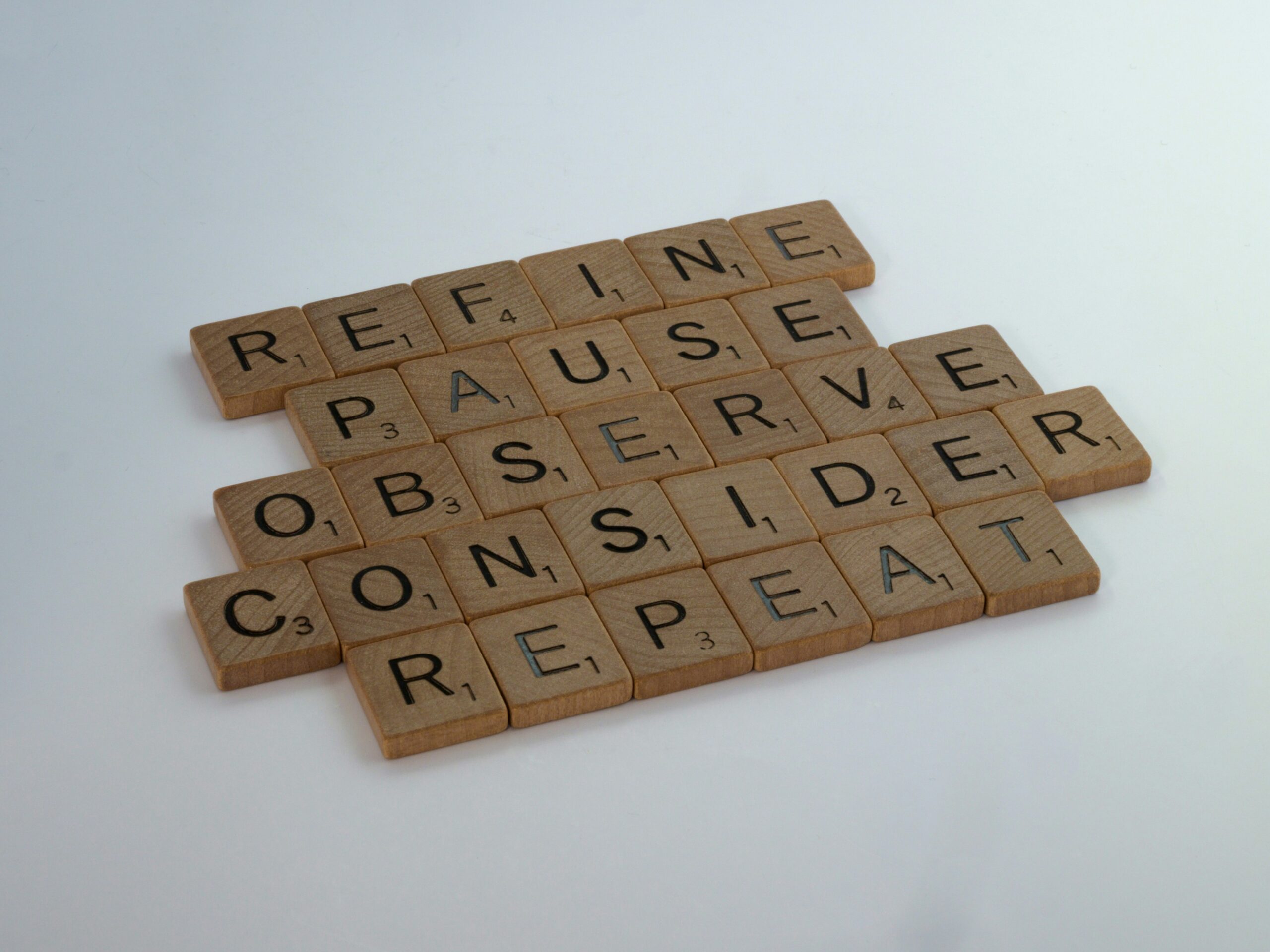
Logic and philosophy are two intertwined disciplines that have shaped human thought for centuries. At their core, logic provides the tools for clear reasoning, while philosophy seeks to explore the fundamental questions of existence, knowledge, and ethics. Together, they form a framework through which we can examine our beliefs, challenge assumptions, and strive for a […]

Read more
Understanding Attachment Theory: Building Strong Relationships

Understanding Attachment Theory: Building Strong Relationships

Attachment Theory, developed by British psychologist John Bowlby in the mid-20th century, offers a profound lens through which we can understand the bonds we form with others. At its core, the theory posits that the emotional connections we establish in early childhood with our primary caregivers shape our relational patterns throughout life. Bowlby observed that […]

Read more
John Rawls' Justice as Fairness: A Framework for Social Equality

John Rawls’ Justice as Fairness: A Framework for Social Equality

John Rawls, an American political philosopher, emerged as a pivotal figure in the landscape of modern political thought with his seminal work, “A Theory of Justice,” published in 1971. His ideas have profoundly influenced discussions around justice, equality, and the moral foundations of political institutions. Rawls sought to address the complexities of social cooperation in […]

Read more

Simplicity: Epicurus’ Philosophy for a Fulfilling Life

Epicurus, the ancient Greek philosopher, is often misunderstood as a proponent of indulgence and excess. However, at the heart of his philosophy lies a profound appreciation for simplicity. Epicurus believed that true happiness is not found in the relentless pursuit of wealth or luxury but in the cultivation of a simple, thoughtful life. His teachings […]

Read more

Embracing Your Jungian Shadow Self

The concept of the shadow self, as articulated by Carl Jung, invites us to explore the hidden aspects of our personality that we often prefer to ignore or suppress. Jung posited that the shadow comprises those traits, desires, and impulses that we deem unacceptable or undesirable. These can range from feelings of anger and jealousy […]

Read more
The Intersection of Power and Justice: A Philosophical Exploration

The Intersection of Power and Justice: A Philosophical Exploration

In the intricate tapestry of human society, the concepts of power and justice are woven together in ways that shape our collective existence. Power, often defined as the ability to influence or control the behavior of people and institutions, is a fundamental aspect of social organization. Justice, on the other hand, embodies the principles of […]

Read more
Understanding Buddhist Philosophy: The Nature of Suffering

Understanding Buddhist Philosophy: The Nature of Suffering

Buddhist philosophy offers a profound lens through which we can examine the nature of existence, suffering, and the path to a more meaningful life. Rooted in the teachings of Siddhartha Gautama, known as the Buddha, this philosophy invites us to explore the intricacies of our experiences and the ways in which we can cultivate a […]

Read more

Unlocking the Power of the Unconscious Mind

The unconscious mind is a vast and intricate landscape, often likened to an iceberg, where only a small portion is visible above the surface. This hidden realm houses our deepest fears, desires, and memories, many of which we may not even be aware of. Sigmund Freud, the father of psychoanalysis, famously posited that the unconscious […]

Read more
Contemplating the Existence of God: A Philosophical Inquiry

Contemplating the Existence of God: A Philosophical Inquiry

The concept of God has been a cornerstone of human thought for millennia, shaping cultures, guiding moral frameworks, and influencing personal lives. For many, God represents the ultimate source of meaning, a divine presence that imbues existence with purpose. Yet, the nature of God is not universally agreed upon; it varies widely across different religions, […]

Read more
Exploring Epistemology: Understanding Knowledge

Exploring Epistemology: Understanding Knowledge

Epistemology is the branch of philosophy that delves into the nature, scope, and limits of knowledge. At its core, it asks fundamental questions: What does it mean to know something? How do we acquire knowledge? Can we ever be certain of what we know? These inquiries are not merely academic; they resonate deeply with our […]

Read more
The Paradox of Tolerance: Karl Popper's Warning

The Paradox of Tolerance: Karl Popper’s Warning

In an age where discussions about tolerance and inclusivity dominate public discourse, the philosophical insights of Karl Popper offer a critical lens through which to examine these concepts. Popper, a 20th-century philosopher known for his contributions to the philosophy of science and political theory, articulated a compelling paradox regarding tolerance in his work “The Open […]

Read more

Understanding Freudian Psychoanalysis

Freudian psychoanalysis, developed by Sigmund Freud in the late 19th and early 20th centuries, represents a groundbreaking approach to understanding the human mind. At its core, this theory posits that our thoughts, feelings, and behaviors are deeply influenced by unconscious processes. Freud’s work emerged during a time when the scientific community was beginning to explore […]

Read more

The Banality of Evil: Hannah Arendt’s Perspective

Hannah Arendt, a German-American political theorist, is best known for her profound insights into the nature of power, authority, and morality in the context of totalitarianism. Her work emerged from the ashes of World War II and the Holocaust, events that not only reshaped the political landscape of Europe but also prompted deep philosophical inquiries […]

Read more

Embracing the Art of Living Well: A Philosophy for a Fulfilling Life

Living well is an art form, one that requires both practice and reflection. It’s not merely about achieving happiness or success; rather, it’s about cultivating a life that resonates with our values and aspirations. Philosophers throughout history have grappled with this concept, offering insights that remain relevant today. Aristotle, for instance, spoke of eudaimonia, often […]

Read more
Understanding Anna Freud's Defense Mechanisms

Understanding Anna Freud’s Defense Mechanisms

In the realm of psychology, few concepts resonate as deeply with our everyday experiences as defense mechanisms. These mental strategies, often operating beneath the surface of our conscious awareness, help us navigate the complexities of life, shielding us from emotional pain and anxiety. Among the pioneers who explored this intricate landscape was Anna Freud, the […]

Read more
Embracing the Philosophy of Death and Dying

Embracing the Philosophy of Death and Dying

Death is a universal truth that binds us all, a reality that we often skirt around in our daily conversations. It lurks in the shadows of our lives, a specter that reminds us of our own fragility. The inevitability of death can be daunting, yet it is also a profound teacher. When we confront the […]

Read more
The Pursuit of Happiness: Finding Joy in Life's Journey

The Pursuit of Happiness: Finding Joy in Life’s Journey

Happiness is a term that often eludes precise definition, yet it remains a central pursuit in our lives. Philosophers throughout history have grappled with its meaning, from Aristotle’s notion of eudaimonia, or flourishing, to the more modern interpretations that emphasize subjective well-being. At its core, happiness can be understood as a state of contentment and […]

Read more
Exploring the Depths of the Psyche: A Jungian Approach

Exploring the Depths of the Psyche: A Jungian Approach

Carl Jung, a Swiss psychiatrist and psychoanalyst, ventured into the depths of the human psyche in ways that continue to resonate with us today. His approach to psychology diverged from that of his mentor, Sigmund Freud, who emphasized the role of repressed desires and childhood experiences. Jung, on the other hand, sought to understand the […]

Read more
Title
.