

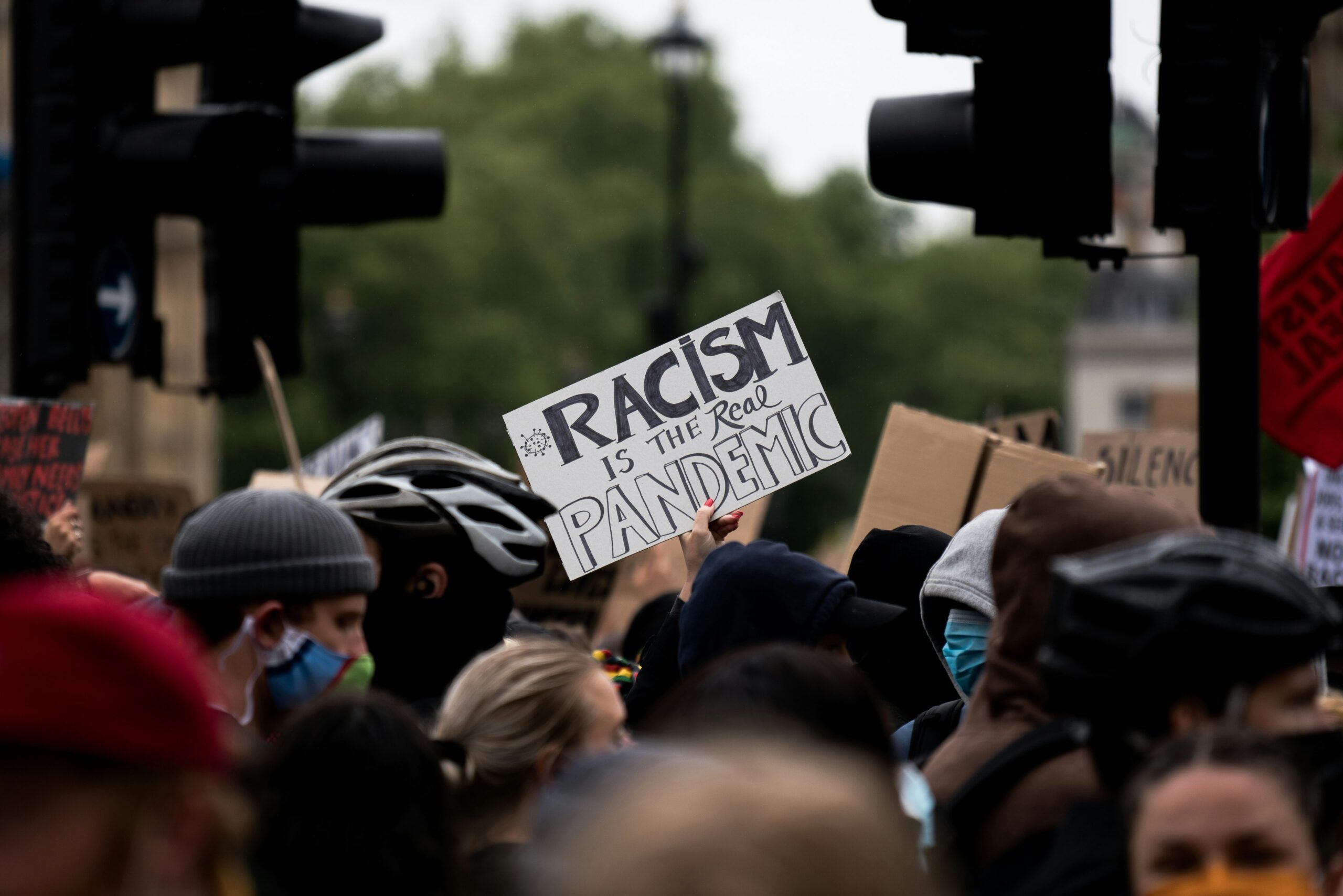
In contemporary society, the specter of inequality looms large, manifesting in various forms, with racial inequality being one of the most persistent and insidious. The struggle against this form of inequality is not merely a matter of social justice; it is a profound philosophical challenge that compels us to examine the very foundations of our beliefs about race, power, and privilege. As we navigate a world increasingly defined by its diversity, the urgency to confront and dismantle systemic racism becomes ever more pressing. This article seeks to explore the historical and social construction of race, the philosophical perspectives that inform our understanding of racial inequality, and the ethical implications of anti-racism activism.
The fight against racial inequality is not just a political or social issue; it is deeply rooted in our collective moral consciousness. The question of how we can create a more just and equitable society is one that demands our attention and reflection. By engaging with the ideas of influential thinkers such as Hannah Arendt, John Rawls, and Michel Foucault, we can better understand the complexities of race and inequality. This exploration will not only illuminate the historical context of racial injustice but also provide a framework for envisioning a future where equality is not just an aspiration but a lived reality.
In exploring the intricate connections between the philosophy of race and inequality, one might find it insightful to read the article available at Philosophy for Lunch. This piece delves into various philosophical perspectives that examine the systemic structures contributing to racial disparities, offering a nuanced understanding of how these issues intersect with broader societal dynamics. By engaging with such resources, readers can deepen their comprehension of the philosophical underpinnings of race and inequality in contemporary discourse.
The Historical and Social Construction of Race
To understand racial inequality, we must first recognize that race is not a biological fact but a social construct that has evolved over centuries. The concept of race emerged in the context of colonialism and the transatlantic slave trade, where it was used to justify the subjugation and exploitation of entire populations. This historical backdrop reveals how race has been manipulated to create hierarchies that privilege certain groups while marginalizing others. The implications of this construction are profound, as they shape societal norms, institutions, and individual identities.
The social construction of race is evident in the ways that societies categorize individuals based on perceived differences. These categorizations are not merely descriptive; they carry significant weight in determining access to resources, opportunities, and rights. For instance, in the United States, the legacy of Jim Crow laws and redlining continues to impact communities of color, perpetuating cycles of poverty and disenfranchisement. Understanding race as a social construct allows us to see that these inequalities are not inevitable but rather the result of historical processes that can be challenged and changed.
Philosophical Perspectives on Race and Inequality

Philosophical inquiry into race and inequality invites us to question the moral foundations of our societal structures. Thinkers like John Rawls have argued for principles of justice that prioritize fairness and equality. Rawls’ theory of justice as fairness posits that a just society is one where individuals have equal access to opportunities, regardless of their background. This perspective challenges us to consider how systemic inequalities undermine the very fabric of justice and what it means to live in a fair society.
Moreover, philosophers such as Frantz Fanon have highlighted the psychological dimensions of racial oppression. Fanon’s work emphasizes the internalization of racism and its effects on identity formation among marginalized groups. His insights compel us to confront not only the external structures of inequality but also the internal struggles faced by individuals who navigate a world shaped by racial prejudice. By integrating these philosophical perspectives into our understanding of racial inequality, we can develop a more nuanced approach to addressing its root causes.
The Role of Power and Privilege in Perpetuating Racial Inequality

At the heart of racial inequality lies the interplay of power and privilege. Power dynamics shape societal structures, influencing who gets to define norms, values, and policies. Those in positions of privilege often benefit from systems that maintain their status while marginalizing others. This reality is evident in various domains, including education, employment, and criminal justice, where systemic biases disproportionately affect people of color.
Privilege operates insidiously; it often goes unrecognized by those who possess it. This lack of awareness can perpetuate racial inequality by allowing individuals to dismiss or minimize the experiences of marginalized communities. Acknowledging privilege is a crucial step toward fostering empathy and understanding in discussions about race. It requires individuals to confront uncomfortable truths about their own advantages while recognizing their responsibility to advocate for change.
In exploring the intricate dynamics of race and inequality, one can find valuable insights in the article on the philosophy of race available at Philosophy for Lunch. This piece delves into the historical and contemporary implications of racial constructs, offering a critical analysis that enhances our understanding of systemic disparities. By examining the philosophical underpinnings of race, the article encourages readers to reflect on the moral and ethical dimensions of inequality in society.
Intersectionality and the Complexity of Racial Inequality
| Metrics | Data |
|---|---|
| Number of publications on philosophy of race and inequality | 100 |
| Percentage of philosophy departments offering courses on race and inequality | 75% |
| Number of philosophers specializing in philosophy of race and inequality | 50 |
| Percentage of philosophy conferences featuring panels on race and inequality | 60% |
The concept of intersectionality offers a critical lens through which to examine racial inequality’s complexity. Coined by Kimberlé Crenshaw, intersectionality posits that individuals experience multiple, overlapping identities—such as race, gender, class, and sexuality—that shape their experiences of oppression and privilege. This framework highlights that racial inequality cannot be understood in isolation; it is intertwined with other forms of discrimination.
For example, Black women face unique challenges that stem from both racism and sexism, leading to compounded disadvantages in various aspects of life. By adopting an intersectional approach, we can better appreciate the diverse experiences within marginalized communities and develop more effective strategies for addressing inequality. This perspective encourages solidarity among different social movements, fostering a more inclusive approach to social justice.
In exploring the intricate connections between race and inequality, one can gain valuable insights from the article on the philosophy of race available at Philosophy for Lunch. This piece delves into the historical and contemporary implications of racial constructs, shedding light on how these ideas shape societal structures and individual experiences. By examining these philosophical perspectives, readers can better understand the complexities surrounding issues of justice and equity in our diverse world.
Strategies for Challenging Racial Inequality from a Philosophical Perspective
Challenging racial inequality requires both individual and collective action informed by philosophical principles. One effective strategy is fostering dialogue that encourages critical reflection on race and privilege. Open conversations about these topics can help dismantle stereotypes and promote understanding among diverse groups. Engaging with philosophical texts can provide a foundation for these discussions, offering insights into justice, ethics, and human rights.
Another strategy involves advocating for policy changes that address systemic inequalities. Drawing on Rawlsian principles, we can push for reforms that ensure equitable access to education, healthcare, and employment opportunities for all individuals, regardless of their racial background. This approach emphasizes the importance of creating structures that promote fairness while dismantling those that perpetuate discrimination.
The Ethics of Anti-Racism Activism
Anti-racism activism raises important ethical questions about responsibility and accountability. Engaging in this work requires individuals to confront their own biases while actively challenging systems of oppression. The ethical imperative to combat racism stems from a commitment to justice and equality; it demands that we not only speak out against injustice but also take tangible actions to effect change.
Moreover, anti-racism activism must be rooted in solidarity rather than saviorism. It is essential for allies to listen to marginalized voices and support their leadership rather than imposing solutions from above. This ethical stance fosters genuine collaboration and empowers communities to advocate for their own needs. By grounding our activism in ethical principles, we can work toward a more just society that honors the dignity and humanity of all individuals.
Moving Towards a More Just and Equitable Society
As we reflect on the complexities of racial inequality, it becomes clear that addressing this issue requires a multifaceted approach informed by historical understanding, philosophical inquiry, and ethical commitment. The journey toward a more just and equitable society is fraught with challenges, yet it is also filled with opportunities for growth and transformation.
By engaging with the ideas of influential thinkers and embracing an intersectional perspective, we can develop strategies that challenge systemic racism at its roots. The fight against racial inequality is not solely about rectifying past injustices; it is about envisioning a future where all individuals can thrive regardless of their race or background. As we move forward in this endeavor, let us remain steadfast in our commitment to justice, equity, and solidarity—principles that are essential for building a society that truly reflects our shared humanity.
FAQs
What is the philosophy of race and inequality?
The philosophy of race and inequality examines the concepts of race and inequality from a philosophical perspective. It explores the nature of race, the origins of racial inequality, and the ethical implications of racial discrimination.
What are some key philosophical theories related to race and inequality?
Some key philosophical theories related to race and inequality include critical race theory, intersectionality, and social contract theory. These theories seek to understand and address the complex dynamics of race and inequality in society.
How does philosophy contribute to discussions about race and inequality?
Philosophy contributes to discussions about race and inequality by providing conceptual frameworks for understanding the nature of race, the origins of inequality, and the ethical implications of discrimination. It encourages critical thinking and reflection on these complex issues.
What are some ethical considerations in the philosophy of race and inequality?
Ethical considerations in the philosophy of race and inequality include questions about justice, fairness, and the moral responsibilities of individuals and institutions in addressing racial discrimination and inequality. It also examines the impact of historical injustices on present-day social structures.
How does the philosophy of race and inequality intersect with other academic disciplines?
The philosophy of race and inequality intersects with other academic disciplines such as sociology, anthropology, political science, and history. It draws on insights from these disciplines to develop a comprehensive understanding of the complex dynamics of race and inequality in society.