

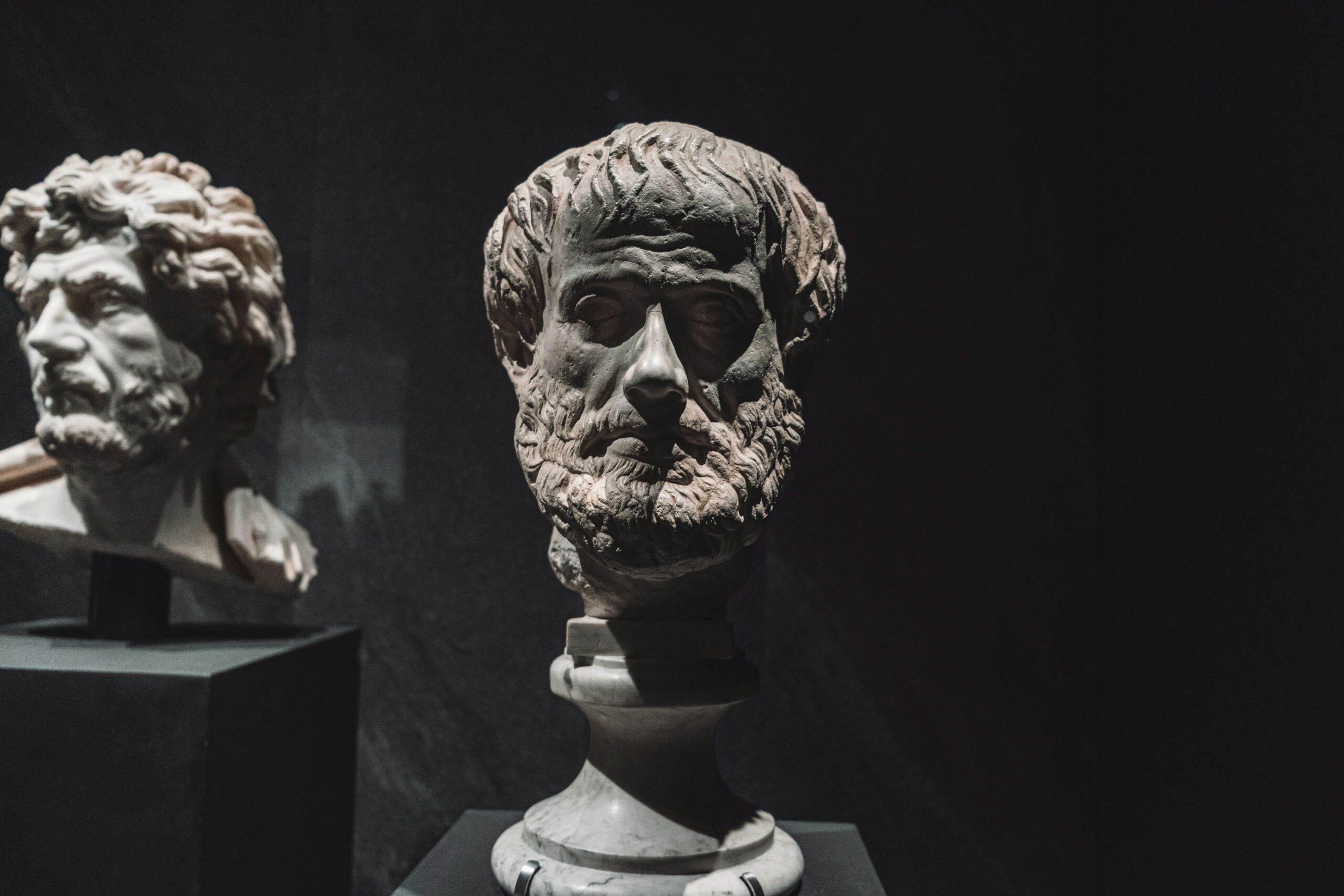
Stoicism is an ancient Greek philosophy that emerged in Athens around the early 3rd century BCE. Founded by Zeno of Citium, it teaches that virtue, understood as wisdom, is the highest good and that our emotions are the result of our judgments about the world. At its core, Stoicism emphasizes the importance of living in accordance with nature and reason. The Stoics believed that while we cannot control external events, we can control our responses to them. This distinction between what is within our control and what is not is a fundamental principle of Stoicism.
The Stoic worldview is built on four cardinal virtues: wisdom, courage, justice, and temperance. Wisdom involves understanding the world and making sound judgments; courage is about facing challenges with resolve; justice pertains to fairness and integrity in our dealings with others; and temperance is about self-control and moderation. By cultivating these virtues, Stoics aim to achieve a state of tranquility and resilience, allowing them to navigate life’s ups and downs with grace and composure.
Incorporating Stoicism into daily life can significantly enhance our resilience and perspective on challenges. For those interested in exploring practical applications of Stoic philosophy, a related article can be found at Philosophy for Lunch, which discusses how various mediums, including podcasts, can help bring philosophical concepts to life and make them more accessible for everyday practice.
Understanding the Stoic Mindset
To adopt a Stoic mindset means to embrace a way of thinking that prioritizes rationality over emotional reactivity. This involves recognizing that our thoughts shape our feelings and behaviors. For instance, when faced with a setback, a Stoic would reflect on the situation, assess what can be learned from it, and focus on how to respond constructively rather than succumbing to frustration or despair. This practice of reframing challenges as opportunities for growth is central to Stoic philosophy.
Moreover, the Stoic mindset encourages us to cultivate an attitude of detachment from external outcomes. This does not mean we become indifferent or apathetic; rather, it means we learn to invest our energy in what we can control—our actions, thoughts, and attitudes—while accepting that we cannot dictate the results. By doing so, we free ourselves from the anxiety that often accompanies the desire for specific outcomes, allowing us to engage more fully in the present moment.
Applying Stoic Principles to Daily Life

Integrating Stoic principles into daily life can be both practical and transformative. One effective way to start is by practicing daily reflection. At the end of each day, take a moment to consider your actions and thoughts. Ask yourself whether you acted in accordance with your values and whether you responded to challenges with wisdom and composure. This practice not only fosters self-awareness but also helps reinforce the Stoic commitment to virtue.
Another practical application is the use of negative visualization—a technique where you imagine losing something or someone important to you. This may seem morbid at first, but it serves a vital purpose: by contemplating loss, we can cultivate appreciation for what we have in the present moment. This practice aligns with the Stoic belief that by acknowledging the impermanence of life, we can live more fully and gratefully.
Embracing Adversity with Stoicism

Adversity is an inevitable part of life, and Stoicism teaches us to embrace it rather than shy away from it. The Stoics viewed challenges as opportunities for growth and self-improvement. When faced with difficulties, they would remind themselves that hardship can strengthen character and resilience. This perspective shifts our relationship with adversity from one of fear to one of acceptance.
For example, consider a job loss or a personal setback. Instead of viewing these experiences solely as negative events, a Stoic would ask themselves what lessons can be learned from the situation. What skills can be developed? How can this experience lead to new opportunities? By reframing adversity in this way, we not only build resilience but also foster a sense of agency over our lives.
Incorporating Stoicism into daily life can lead to a more balanced and resilient mindset, helping individuals navigate the challenges they face. For those interested in exploring how philosophical principles can enhance everyday experiences, a fascinating article titled “Everybody Loves Pineapples and Donuts” offers insights into the intersection of philosophy and daily living. You can read it here to discover practical applications of Stoic thought that can transform your approach to life’s ups and downs.
Cultivating Resilience and Inner Strength
| Aspect | Practice |
|---|---|
| Self-discipline | Setting daily goals and sticking to them |
| Emotional resilience | Practicing mindfulness and acceptance of events |
| Virtue ethics | Acting with kindness, honesty, and fairness in daily interactions |
| Gratitude | Reflecting on and appreciating the present moment and what one has |
Resilience is a key tenet of Stoicism, rooted in the belief that we have the power to choose our responses to life’s challenges. To cultivate resilience, it’s essential to practice self-discipline and maintain a focus on our values. This means setting clear intentions for how we want to respond when faced with difficulties. By doing so, we create a mental framework that allows us to remain steadfast in the face of adversity.
Additionally, building inner strength involves developing a sense of purpose that transcends external circumstances. When we align our actions with our core values—whether they be integrity, compassion, or courage—we create a solid foundation that helps us weather life’s storms. This alignment fosters a sense of fulfillment that is less dependent on external validation or success.
Practicing Mindfulness and Gratitude
Mindfulness is an essential practice within Stoicism that encourages us to remain present and aware of our thoughts and feelings without judgment. By cultivating mindfulness, we can observe our reactions to situations more clearly and choose how to respond rather than simply reacting out of habit or emotion. This practice aligns closely with the Stoic emphasis on rationality and self-control.
Gratitude is another powerful tool in the Stoic toolkit. By regularly reflecting on what we are thankful for—be it relationships, experiences, or even challenges—we shift our focus from what we lack to what we have. This shift not only enhances our overall well-being but also reinforces the Stoic belief in appreciating the present moment. A simple daily practice could involve writing down three things you are grateful for each day, fostering a deeper sense of contentment.
Navigating Relationships with Stoic Wisdom
Relationships are an integral part of life, and Stoicism offers valuable insights into how we can navigate them with wisdom and grace. One key principle is the idea of treating others with justice and fairness. This means approaching relationships with empathy and understanding while also setting healthy boundaries. By recognizing that everyone is on their own journey, we can cultivate compassion even when faced with conflict or disagreement.
Moreover, Stoicism teaches us to manage our expectations in relationships. People are inherently imperfect, and expecting them to meet all our needs can lead to disappointment. Instead, by accepting others as they are—flaws and all—we can foster deeper connections based on mutual respect rather than unrealistic ideals. This acceptance allows us to engage more authentically with those around us.
Managing Stress and Anxiety with Stoic Techniques
Stress and anxiety are common challenges in modern life, but Stoicism provides practical techniques for managing these feelings effectively. One such technique is the practice of distinguishing between what is within our control and what is not. When faced with stressors—be it work deadlines or personal obligations—ask yourself: Can I control this situation? If yes, focus your energy on taking constructive action; if no, practice acceptance.
Another helpful technique is reframing negative thoughts through rational analysis. When anxiety arises from catastrophic thinking—imagining worst-case scenarios—take a step back and evaluate the evidence for these thoughts. Often, you’ll find that your fears are exaggerated or unfounded. By challenging these thoughts with reasoned reflection, you can reduce anxiety and regain a sense of calm.
Finding Purpose and Meaning through Stoicism
Stoicism encourages us to seek purpose and meaning in our lives by aligning our actions with our values. This alignment fosters a sense of fulfillment that transcends fleeting pleasures or material success. To discover your purpose, reflect on what truly matters to you: What values do you hold dear? What contributions do you want to make in your community or relationships? By clarifying your purpose, you create a guiding compass for your decisions.
Additionally, engaging in acts of service or kindness can enhance your sense of meaning. The Stoics believed that contributing to the greater good enriches both individual lives and society as a whole. Whether through volunteering or simply being present for loved ones, these acts reinforce our interconnectedness and remind us that our lives have significance beyond ourselves.
Embracing Change and Impermanence with Stoic Philosophy
Change is an inherent aspect of life, yet many struggle with its inevitability. Stoicism teaches us to embrace change as a natural part of existence rather than resist it. By recognizing that everything is transient—relationships, experiences, even our own lives—we cultivate an appreciation for the present moment while also preparing ourselves for future transitions.
This acceptance of impermanence allows us to let go of attachments that may cause suffering. When we cling too tightly to people or situations, we set ourselves up for disappointment when change inevitably occurs. Instead, by practicing non-attachment while still engaging fully in life’s experiences, we can navigate change with grace and resilience.
Incorporating Stoic Practices into Your Daily Routine
To truly benefit from Stoicism, it’s essential to incorporate its practices into your daily routine intentionally. Start each day with a moment of reflection—consider your intentions for the day ahead and how you want to embody your values in your actions. This simple practice sets a positive tone for your day.
Throughout your day, remind yourself of the Stoic principles as challenges arise. When faced with stress or adversity, pause to assess your thoughts and responses through a Stoic lens: What can I control? How can I respond wisely? Additionally, consider ending your day with gratitude by reflecting on three positive moments or lessons learned.
By weaving these practices into your daily life, you not only cultivate a deeper understanding of Stoicism but also create a framework for living more intentionally and resiliently amidst life’s complexities. In doing so, you may find yourself navigating challenges with greater ease while fostering a sense of peace and purpose along the way.
FAQs
What is Stoicism?
Stoicism is a school of philosophy that originated in ancient Greece, founded by Zeno of Citium in the early 3rd century BC. It emphasizes the development of self-control and fortitude as a means of overcoming destructive emotions and achieving a state of inner peace.
How can Stoicism be applied to daily life?
Stoicism can be applied to daily life by practicing principles such as focusing on what is within our control, accepting what is outside of our control, and cultivating virtues such as wisdom, courage, justice, and temperance. This can help individuals navigate life’s challenges with resilience and equanimity.
What are some Stoic practices for daily life?
Some Stoic practices for daily life include journaling, meditation, and reflecting on one’s actions and reactions. Stoics also emphasize the importance of living in accordance with nature, practicing gratitude, and embracing the concept of amor fati, or the love of fate.
How can Stoicism help with managing stress and anxiety?
Stoicism can help with managing stress and anxiety by encouraging individuals to focus on what is within their control, to reframe their perspective on challenging situations, and to cultivate a mindset of resilience and acceptance. By practicing Stoic principles, individuals can develop a greater sense of inner peace and tranquility.
Can Stoicism be practiced by anyone?
Yes, Stoicism can be practiced by anyone, regardless of their background or beliefs. The principles of Stoicism are universal and can be applied to daily life by individuals seeking to cultivate greater wisdom, resilience, and inner peace.