

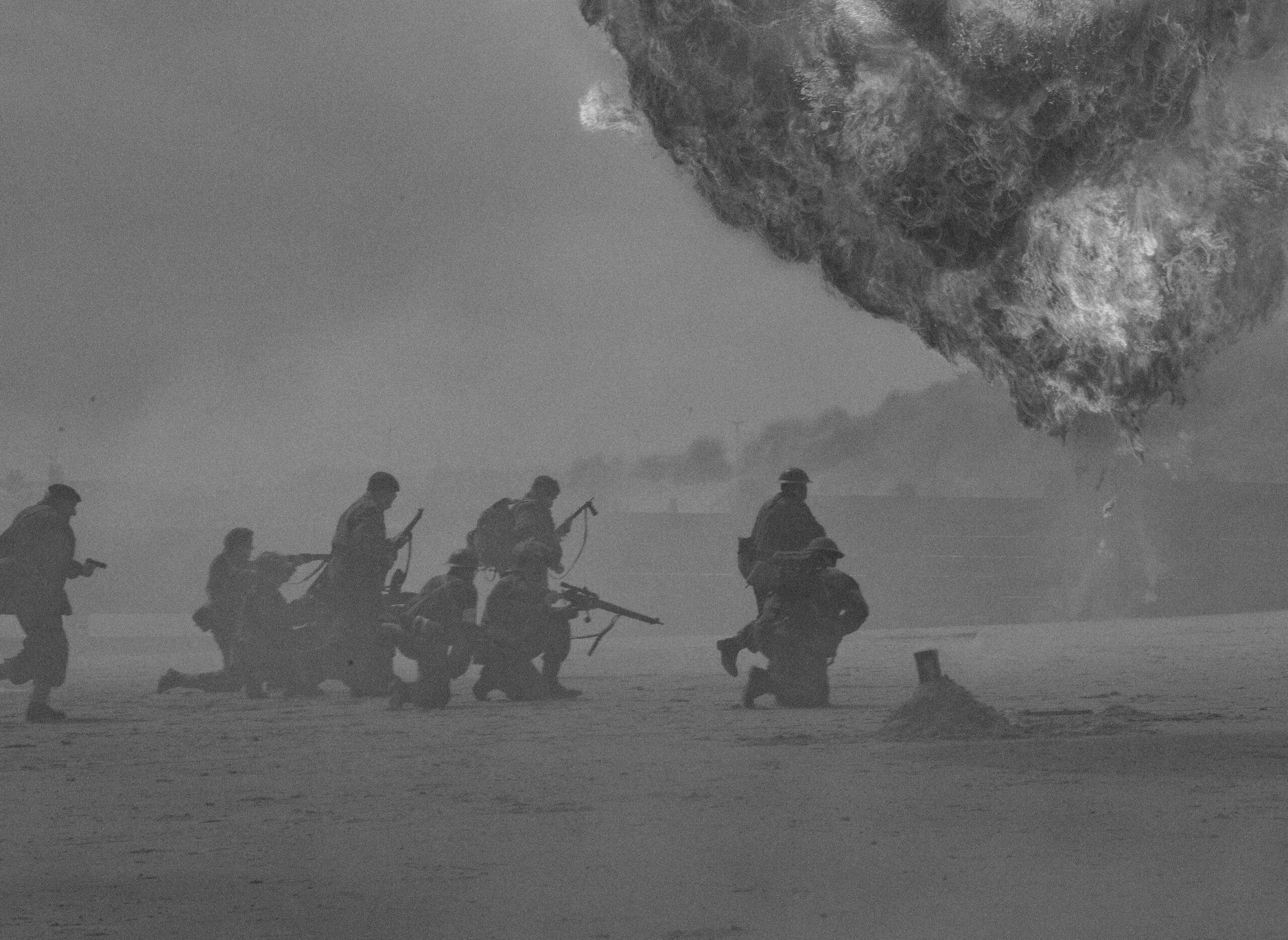
The ethics of war and violence is a profound and complex field that grapples with some of humanity’s most pressing moral dilemmas. As conflicts erupt across the globe, the question of when, if ever, it is justifiable to resort to violence becomes increasingly urgent. The stakes are high, not only for the nations involved but also for the countless innocent lives caught in the crossfire. This ethical inquiry is not merely academic; it has real-world implications that shape policies, influence public opinion, and ultimately determine the course of human history. The moral landscape of warfare is fraught with contradictions, where the ideals of justice and peace often clash with the harsh realities of power and survival.
At its core, the ethics of war challenges us to consider the principles that govern our actions in times of conflict. It invites us to reflect on the nature of justice, the value of human life, and the responsibilities we bear toward one another as members of a global community. As we navigate this terrain, we must confront difficult questions: Is it ever permissible to take a life in the name of a greater good? How do we balance the need for security with the imperative to protect human rights? These inquiries are not merely theoretical; they resonate deeply in our contemporary world, where wars are waged in the name of democracy, freedom, and national security, often with devastating consequences.
In exploring the intricate relationship between philosophy and the concepts of war and violence, one can gain valuable insights from various scholarly discussions. A particularly relevant article that delves into these themes is found at Philosophy for Lunch, where the complexities of moral reasoning in the context of conflict are examined. This piece highlights how philosophical frameworks can inform our understanding of the ethical implications surrounding warfare and the justification of violence, making it a significant read for anyone interested in the philosophical dimensions of these pressing issues.
The Just War Theory
One of the most influential frameworks for understanding the ethics of war is Just War Theory, which has its roots in ancient philosophy and has evolved over centuries. This theory posits that war can be morally justified under certain conditions, providing a set of criteria that must be met for a conflict to be considered “just.” These criteria are typically divided into two categories: jus ad bellum, which addresses the justification for going to war, and jus in bello, which governs conduct during warfare. The principles outlined in Just War Theory serve as a moral compass for leaders and soldiers alike, guiding their decisions in moments of crisis.
The criteria for jus ad bellum include just cause, legitimate authority, right intention, probability of success, last resort, and proportionality. For instance, a nation may argue that it has a just cause for engaging in war if it seeks to protect its citizens from aggression or to prevent gross human rights violations. However, these justifications are often contested. The recent conflict in Ukraine serves as a poignant example; while many nations have rallied to support Ukraine’s right to defend itself against Russian aggression, others question whether external intervention is warranted or whether it might escalate tensions further. This highlights the complexity of applying Just War Theory in practice, as differing interpretations of justice can lead to divergent conclusions about the legitimacy of military action.
The Use of Force and Proportionality

Central to Just War Theory is the principle of proportionality, which asserts that the violence used in war must be proportional to the injury suffered. This principle seeks to limit unnecessary suffering and destruction, emphasizing that military actions should not cause more harm than they aim to prevent. In practice, however, determining what constitutes proportionality can be exceedingly challenging. The fog of war often obscures clear assessments of outcomes and consequences, leading to moral quandaries that can haunt nations long after the guns have fallen silent.
Consider the ongoing debates surrounding drone warfare. Proponents argue that drones allow for precise strikes against high-value targets while minimizing collateral damage. Yet critics contend that such technology can lead to a detachment from the realities of war, where decisions about life and death are made from thousands of miles away. The use of drones in conflicts like those in Afghanistan and Yemen raises profound ethical questions about proportionality: Are we truly minimizing harm when civilian casualties are reported alongside military successes? The challenge lies in reconciling technological advancements with our moral obligations to protect innocent lives.
The Protection of Innocent Civilians

The protection of innocent civilians is a cornerstone of contemporary discussions about the ethics of war. International humanitarian law emphasizes that combatants must distinguish between military targets and non-combatants, striving to minimize harm to those not involved in hostilities. This principle is not only a legal obligation but also a moral imperative that reflects our shared humanity. However, as conflicts become increasingly complex—often involving non-state actors and urban warfare—the lines between combatants and civilians blur, complicating efforts to uphold this ethical standard.
Recent conflicts in Syria and Yemen illustrate the tragic consequences when civilian protection is sidelined. In these wars, indiscriminate bombings and sieges have led to catastrophic humanitarian crises, with millions displaced and countless lives lost. The international community’s response has often been inadequate, raising questions about our collective responsibility to intervene on behalf of those who cannot defend themselves. The ethical obligation to protect innocent civilians must be at the forefront of any military strategy; otherwise, we risk perpetuating cycles of violence that undermine the very principles we seek to uphold.
The philosophy of war and violence has long been a topic of intense debate among scholars and thinkers. One insightful article that delves into the ethical implications of warfare can be found on the Philosophy for Lunch website. It explores various philosophical perspectives on the justification of war and the moral responsibilities of combatants. For those interested in this complex subject, you can read more about it in this thought-provoking piece.
The Role of International Law
| Philosophy of War and Violence Metrics | Statistics |
|---|---|
| Number of philosophical texts on war and violence | 2000+ |
| Percentage of philosophers who advocate for pacifism | 30% |
| Number of philosophical theories on the just war | Dozens |
| Percentage of wars in human history driven by religious beliefs | 7% |
| Number of philosophical debates on the ethics of violence | Countless |
International law plays a crucial role in shaping the ethics of war by establishing norms and standards that govern state behavior during armed conflict. Treaties such as the Geneva Conventions outline protections for those who are not participating in hostilities, including civilians and prisoners of war. These legal frameworks aim to mitigate suffering and promote accountability among nations. However, adherence to international law is often inconsistent, with powerful states sometimes flouting these norms without consequence.
The recent invasion of Ukraine by Russia has reignited discussions about international law’s effectiveness in preventing aggression. While many nations have condemned Russia’s actions as violations of international law, enforcement mechanisms remain weak. This raises critical questions about the role of international institutions like the United Nations: How can they effectively uphold justice when powerful states act unilaterally? The challenge lies not only in creating robust legal frameworks but also in ensuring that they are respected and enforced by all nations—regardless of their power or influence.
The philosophy of war and violence has long been a topic of deep inquiry, exploring the moral implications and justifications behind human conflict. A thought-provoking article that delves into these themes can be found at Philosophy for Lunch, where it examines the complexities of ethical reasoning in the context of warfare. This exploration not only highlights the philosophical debates surrounding the justification of violence but also encourages readers to reflect on the broader implications of their beliefs about conflict and peace.
The Moral Responsibility of Soldiers and Leaders
The moral responsibility borne by soldiers and leaders during wartime cannot be overstated. Soldiers are often thrust into situations where they must make split-second decisions that can have life-altering consequences for themselves and others. While military training emphasizes obedience to orders and adherence to rules of engagement, soldiers must also grapple with their own moral compass in moments of crisis. This tension between duty and ethics can lead to profound psychological burdens for those who serve.
Leaders bear an even greater responsibility; their decisions can lead entire nations into conflict or peace. The ethical implications of leadership during wartime extend beyond mere strategy; they encompass considerations of justice, accountability, and the long-term consequences of military action. For instance, leaders who advocate for war must weigh not only the immediate benefits but also the potential for lasting harm—both to their own citizens and to those they seek to engage militarily. The moral weight of these decisions underscores the importance of ethical leadership in navigating the complexities of war.
The Impact of Technology on Warfare
The evolution of technology has transformed warfare in unprecedented ways, raising new ethical questions about how conflicts are conducted. From cyber warfare to autonomous weapons systems, technological advancements have changed not only the nature of combat but also our understanding of accountability and responsibility in war. As machines increasingly take on roles traditionally held by humans—such as targeting decisions—the moral implications become more complex.
The rise of artificial intelligence (AI) in military applications presents particularly challenging dilemmas. Autonomous weapons capable of making life-and-death decisions without human intervention raise concerns about accountability: Who is responsible if an AI system miscalculates and causes civilian casualties? Furthermore, as technology continues to evolve at a rapid pace, ethical frameworks struggle to keep up with these advancements. The challenge lies in ensuring that technological progress does not outpace our moral considerations; otherwise, we risk creating a future where warfare becomes increasingly detached from human values.
The Possibility of Peaceful Conflict Resolution
Amidst the complexities surrounding war and violence lies a glimmer of hope: the possibility of peaceful conflict resolution. Philosophers like Hannah Arendt have emphasized the importance of dialogue and understanding as essential components for resolving disputes without resorting to violence. In an era marked by polarization and division, fostering a culture of dialogue becomes imperative for addressing grievances and building bridges between conflicting parties.
Contemporary examples abound where diplomacy has triumphed over conflict—such as the peace agreements reached in Colombia after decades of civil war or ongoing negotiations aimed at resolving tensions on the Korean Peninsula. These instances remind us that while war may seem inevitable at times, it is not our only option. By prioritizing dialogue over violence and seeking common ground through understanding, we can work toward a future where conflicts are resolved through peaceful means rather than through bloodshed.
In conclusion, the ethics of war and violence encompasses a vast array of considerations that demand our attention as global citizens. From Just War Theory to international law and the moral responsibilities borne by soldiers and leaders, each aspect invites us to reflect on our values and priorities in times of conflict. As we navigate this complex landscape, we must remain committed to protecting innocent lives, upholding justice, and seeking peaceful resolutions wherever possible—recognizing that our choices today will shape the world we leave for future generations.
FAQs
What is the philosophy of war and violence?
The philosophy of war and violence examines the ethical, moral, and political implications of armed conflict and aggression. It delves into questions about the justifiability of war, the nature of violence, and the impact of warfare on individuals and societies.
What are some key ethical considerations in the philosophy of war and violence?
Ethical considerations in the philosophy of war and violence include the principles of just war theory, the moral implications of using violence to achieve political goals, and the responsibility to protect civilians and non-combatants during armed conflict.
How does the philosophy of war and violence intersect with political and international relations theories?
The philosophy of war and violence intersects with political and international relations theories by examining the underlying assumptions and justifications for the use of force in international politics, as well as the ethical implications of power dynamics and geopolitical conflicts.
What are some prominent philosophical perspectives on war and violence?
Prominent philosophical perspectives on war and violence include pacifism, just war theory, realism, and critical theories of war. These perspectives offer different ethical and moral frameworks for understanding and evaluating the use of force in human societies.
How does the philosophy of war and violence contribute to contemporary debates and discussions?
The philosophy of war and violence contributes to contemporary debates and discussions by providing a critical and ethical lens through which to analyze and evaluate the complex dynamics of armed conflict, terrorism, and the use of force in international relations. It also offers insights into the moral responsibilities of individuals and states in times of war and peace.